
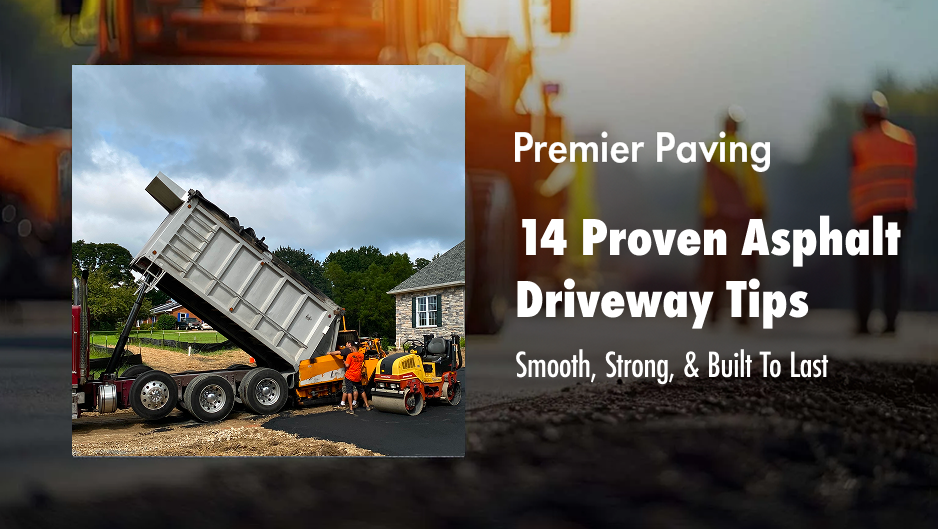
Maintaining an asphalt driveway isn’t just about keeping it looking good; it’s about protecting your investment for years to come. Asphalt offers strength and durability, but without proper upkeep, cracks, fading, and uneven surfaces can appear sooner than expected. With regular attention and a few preventive steps, homeowners can extend the life of their driveway and keep it in top shape throughout every season.
Whether your surface is new or has been around for a while, these 14 practical tips will help you maintain your driveway efficiently and cost-effectively.
1. Start with Regular Cleaning
A clean driveway is easier to inspect and maintain. Dirt, debris, and fallen leaves can hold moisture that slowly breaks down asphalt. Sweep the surface regularly and gently rinse it with a garden hose or pressure washer. This prevents buildup that might stain or weaken the material.
2. Inspect for Cracks Often
Small cracks can quickly turn into bigger problems. Walk your asphalt driveway every few months and look closely for any hairline fractures. Fixing minor cracks early keeps water from seeping in and causing deeper structural damage. It’s one of those small maintenance habits that save you from expensive repairs later.
3. Sealcoat Every Few Years
Sealcoating adds a protective layer that shields your driveway from UV rays, chemicals, and moisture. It’s recommended every two to three years, depending on the climate and traffic. A quality sealcoat refreshes the dark finish and keeps the surface flexible, helping it resist cracking and fading over time.
4. Fill Cracks Promptly
Don’t wait for cracks to widen. Use asphalt filler or patching products as soon as you notice any damage. When water freezes and expands inside those cracks, it worsens the damage. Applying a crack filler early helps prevent costly overhauls in the future and preserves the appearance of your asphalt driveway.
5. Avoid Heavy Loads
Excess weight from large trucks, dumpsters, or parked trailers can stress the asphalt. If you need to keep heavy vehicles on your property, place boards or plywood under the tires to spread the load. This simple step prevents dents, soft spots, and early deterioration.
6. Keep Water Away
Standing water is one of asphalt’s biggest enemies. Ensure your driveway slopes slightly away from your home to allow rainwater to drain properly. If puddles start forming, consider adding a small trench drain or having driveway contractors improve the grading to guide water off the surface.
7. Control Weeds at the Edges
Weeds and grass creeping along the sides can slowly lift and crack your asphalt. Keep the edges trimmed and apply a weed control barrier. A clean border not only looks neater but also protects the structure from plant roots pushing through.
8. Be Gentle with Snow Removal
Winter can be tough on driveways. Avoid metal shovels that scrape and gouge the asphalt. Use a plastic shovel or a snow blower instead. If you use de-icing products, opt for calcium chloride over rock salt, as it can dry out and damage the surface of your asphalt driveway.
9. Repair Potholes Immediately
A pothole starts as a small depression that fills with water. Over time, the pressure and freeze-thaw cycles cause the rock to expand and contract repeatedly. Repair potholes as soon as they appear using a cold patch compound or by calling local driveway contractors for a professional fix. Quick action prevents the issue from spreading.
10. Reseal Oil and Gas Spills
Oil, gasoline, and other vehicle fluids break down asphalt’s binding agents. Clean spills quickly using a degreaser or detergent. Once the surface dries, reapply the sealant to that area to restore protection. These small touch-ups go a long way toward extending the lifespan of your asphalt driveway.
11. Don’t Ignore Fading
As asphalt ages, its deep black color fades to a grayish hue. While this might seem only aesthetic, it signals UV damage and weakening of the top layer. Applying a sealcoat or rejuvenating agent can restore its rich tone and reinforce its resilience. Keeping up with this helps your driveway stay strong and attractive.
12. Keep the Edges Supported
Edges are often the weakest points of any driveway. Avoid parking too close to them or letting wheels roll off the sides. Installing curbing or pavers along the border adds strength and prevents the border from crumbling. This also gives your asphalt driveway a finished, polished look.
13. Schedule Annual Professional Inspections
Even if you’re diligent, having professionals assess your driveway annually is a smart move. Experienced driveway contractors can identify subtle warning signs, such as minor drainage issues or early oxidation, before they become severe. Preventive maintenance from experts is far more affordable than major resurfacing.
14. Plan for a Resurface When Needed
Every driveway reaches a point where repairs aren’t enough. If your asphalt is over 15 years old and has developed numerous cracks, it may be time for resurfacing. A professional overlay provides a smooth, new finish without the full replacement costs. Resurfacing renews the strength and curb appeal of your asphalt driveway for years to come.
Maintaining Your Driveway for the Long Run
An asphalt driveway can last up to 20 years or more with the right care. The key lies in consistency. Small steps, like sealing, cleaning, and quick crack repairs, add up to big savings and fewer headaches. Working with reliable driveway contractors ensures each repair or treatment is done right, enhancing both performance and appearance.
Proper maintenance not only protects your property but also adds to your home’s value and curb appeal. Take the time to care for your driveway now, and it will serve you well for years to come.
Transform Your Home’s Entrance with Premier Paving – Expert Driveway Contractors
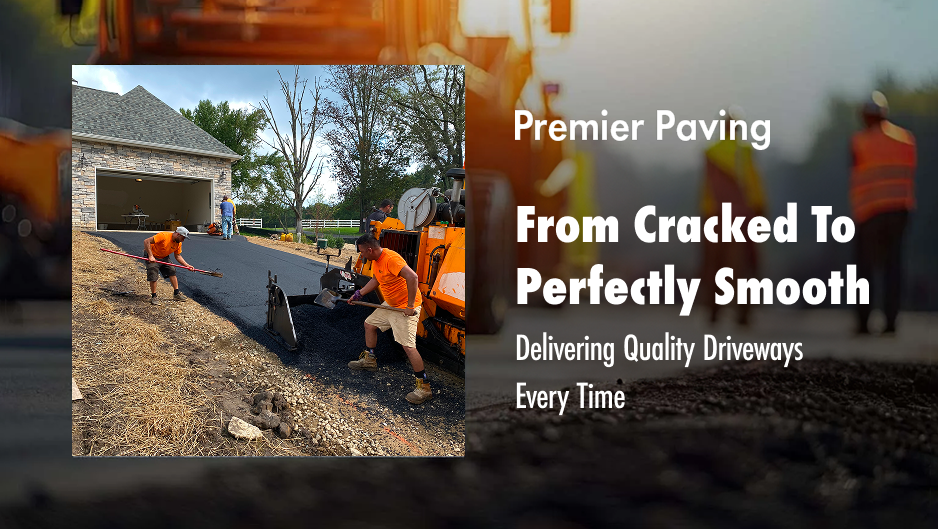
Premier Paving brings years of hands-on experience to every job. Our team of driveway contractors understands what makes a driveway durable and dependable. We use top-grade materials and modern equipment to create smooth, long-lasting surfaces that resist cracking and fading. You’ll notice the difference in how evenly the grading is, how well the water drains, and how little upkeep is required over time.
We serve Annapolis, Severna Park, Pasadena, Arnold, Edgewater, and the surrounding areas. Whether it’s a brand new installation, an overlay, or a repair, our driveway contractors handle the job with precision and care.
Ready to transform your driveway into something that enhances curb appeal and withstands the weather? Contact us today for a free consultation or estimate.
Frequently Asked Questions
1. How often should an asphalt driveway be sealed?
Most experts recommend sealing your asphalt driveway every two to three years. This helps protect it from moisture, UV damage, and everyday wear and tear. However, if your area experiences harsh weather or heavy traffic, you may need to reseal more frequently to maintain durability and appearance.
2. What is the best time of year to resurface an asphalt driveway?
The ideal time to resurface your asphalt driveway is during the warm, dry months, typically from late spring to early fall. Warm temperatures enable the materials to set properly, ensuring a smooth and long-lasting finish. Avoid cold or wet seasons, as they can affect the bonding and curing process.
3. How long does a new asphalt driveway last?
A well-maintained asphalt driveway can last anywhere from 15 to 25 years. Lifespan depends on factors such as proper installation, regular sealing, effective drainage, and climate. Working with experienced driveway contractors ensures your surface is built and maintained to last for decades.
4. How can I prevent cracks and potholes in my driveway?
Preventing cracks starts with consistent care. Keep your asphalt driveway clean, fill small cracks early, and seal it regularly. Avoid parking heavy vehicles in the same spot for extended periods of time. If drainage issues exist, ask professional driveway contractors to assess and improve water flow.
5. What’s the difference between driveway repair and resurfacing?
Driveway repair focuses on fixing small areas, like patching cracks or potholes, while resurfacing involves applying a new asphalt layer over the entire surface. If your asphalt driveway has widespread wear or unevenness, resurfacing is often the more effective, long-term solution recommended by professional driveway contractors.