
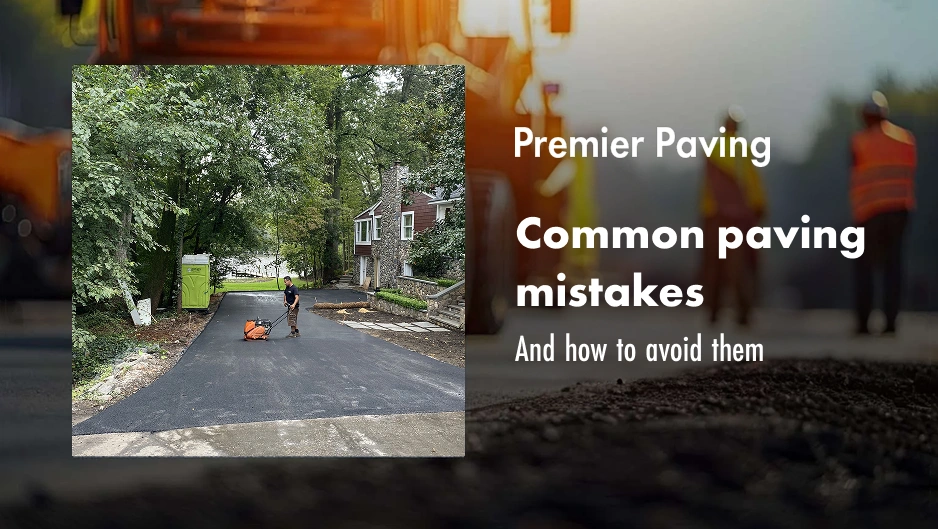
Asphalt paving plays a major role in how a property looks, functions, and ages. Parking lots, access roads, and driveways take daily abuse from traffic, weather, and shifting ground conditions. When early decisions are rushed or corners are cut, the surface may fail long before its expected lifespan. For property owners and facility managers in 2026, understanding common errors is no longer optional. It is the difference between a smooth surface that lasts and one that becomes a constant expense.
Mistake 1: Ignoring Proper Site Preparation
Why the Base Determines Everything
One of the most frequent failures begins below the surface. A weak or uneven base leads to cracking, sinking, and moisture damage. When soil is not compacted correctly, it shifts over time, especially in areas with freeze-thaw cycles or heavy rainfall. Inadequate drainage makes the issue worse. Water trapped beneath the surface gradually erodes stability, even when the top layer appears solid.
How to Avoid It
A stable foundation begins with evaluating soil conditions and traffic load requirements. Excavation depth should match the intended use of the surface. Heavy vehicle areas require deeper, stronger aggregate layers. Proper grading ensures water flows away rather than pooling. A professional asphalt contractor will never rush this stage, even if it adds time to the project. The long-term payoff is worth it.
Mistake 2: Using the Wrong Asphalt Mix
Not All Mixes Are the Same
Choosing the wrong material blend is another costly mistake in asphalt paving. Different environments demand different asphalt compositions. Climate, traffic volume, and surface purpose all affect mix design. A material suited for light residential use will not perform well under delivery trucks or frequent turning.
How to Avoid It
The selection of the mix should always match real-world conditions. For example, an asphalt driveway benefits from a mix designed for flexibility and a smooth finish, while high-traffic areas require added strength. Experienced paving professionals rely on local climate data and usage patterns, not generic formulas. Asking the right questions upfront prevents premature cracking and deformation.
Mistake 3: Poor Timing and Weather Planning
Why Conditions Matter More Than Schedules
Weather remains a major risk factor during paving projects. Temperature plays a critical role in how materials compact and cure. Working in cold or overly wet conditions weakens bonding and creates vulnerable areas. Even brief temperature drops during installation can affect the final result.
How to Avoid It
Modern project planning focuses on weather windows rather than calendar deadlines. Surface, air, and humidity temperatures need to align. Reputable paving teams monitor forecasts closely and adjust schedules when needed. Delays may be inconvenient, but rushed work often leads to repairs far sooner than expected.
Mistake 4: Inadequate Compaction
Compaction Is Not Just Rolling Back and Forth
Improper compaction is one of the most overlooked issues during installation. When density levels are inadequate, air pockets remain within the surface. These voids allow moisture to seep in, accelerating cracking and pothole formation. Over time, the surface weakens and loses its ability to handle regular traffic.
How to Avoid It
Correct compaction requires the right equipment, rolling pattern, and timing. Asphalt must be compacted while it is still within the optimal temperature range. Skilled operators understand how many passes are needed and when to stop. Testing density levels during installation ensures the surface meets performance standards.
Mistake 5: Skipping Ongoing Maintenance Planning
New Pavement Still Needs Attention
Many property owners believe a newly installed surface will last for years on its own. This assumption often leads to neglect. Even a well-built roadway or driveway needs routine attention. Oil leaks, sunlight, and moisture gradually weaken the surface when maintenance is ignored.
How to Avoid It
Maintenance planning should begin before installation. Sealcoating schedules, crack filling, and routine inspections significantly extend surface life. A proactive approach costs far less than full replacement. Professional guidance helps prioritize maintenance based on traffic patterns and environmental exposure.
Choosing the Right Professionals Makes the Difference
What to Look for in a Reliable Team
Selecting qualified asphalt contractors is essential for avoiding the mistakes outlined above. Experience, proper equipment, and clear communication matter more than the lowest bid. Reputable providers offer transparent estimates and explain each stage of the process without vague promises.
Commercial and Residential Expertise
A trusted asphalt paving company understands that no two projects are alike. A commercial paving company focuses on load-bearing capacity, traffic flow, and compliance requirements. Residential asphalt paving contractors prioritize appearance, drainage, and long-term durability for daily household use. Matching expertise to project type reduces risk and improves results.
Industry Standards and Practices in 2026
Smarter Planning and Better Materials
Today’s paving industry places greater emphasis on performance data and sustainability. Improved asphalt mixes offer better resistance to cracking and temperature extremes. Digital site assessments and laser grading tools increase accuracy during preparation. These advancements reduce waste and improve surface consistency.
Accountability Through Documentation
Modern projects also rely on detailed documentation. Material specifications, compaction reports, and maintenance recommendations are now standard. This level of transparency protects property owners and ensures accountability long after installation is complete.
Final Thoughts: Avoiding Mistakes Saves More Than Money
Asphalt paving success depends on informed decisions, skilled execution, and long-term planning. Mistakes made early rarely stay small. They grow into safety issues, repair costs, and operational disruptions. By focusing on preparation, materials, timing, compaction, and maintenance, property owners can protect their investment and extend the lifespan of the surface. In 2026, quality paving is no longer just about appearance. It is about performance, reliability, and confidence in the ground beneath every vehicle that passes over it.
Built to Last. Finished with Care. Premier Paving
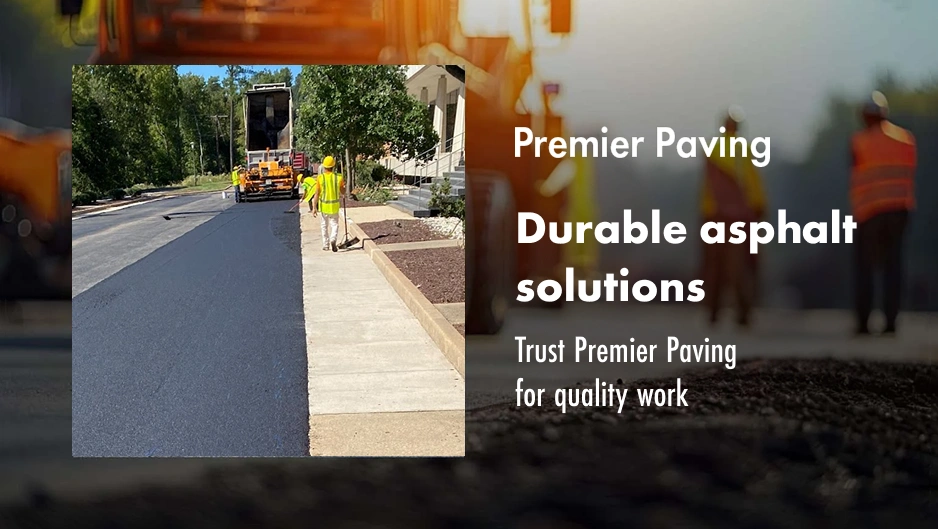
At Premier Paving, we approach every project with long-term performance in mind. As an experienced asphalt paving company, we focus on proper base preparation, clean edges, and smooth finishes that stand up to daily use. Our team takes the time to do things right, so residential surfaces perform well without constant repairs. If you’re searching for “asphalt paving near me”, we deliver reliable solutions backed by proven materials and modern installation methods. Our work is designed to handle weather changes, vehicle traffic, and everyday wear while maintaining a clean, finished look. We proudly serve Annapolis, Severna Park, Pasadena, Arnold, Edgewater, and the surrounding areas. Ready to move forward? Contact us today to schedule a consultation and get started with confidence.
Frequently Asked Questions
1. How long does a newly paved surface typically last in the U.S. climate?
With proper installation and routine maintenance, most paved surfaces last between 15 and 25 years. Longevity depends on traffic levels, weather exposure, drainage quality, and how quickly small issues are addressed.
2. How often should sealcoating and maintenance be done?
Sealcoating is generally recommended every 2 to 3 years. Annual inspections help identify cracks, surface wear, or drainage concerns early, reducing the risk of costly repairs later.
3. What causes early cracking and surface failure?
Common causes include poor base preparation, improper compaction, water infiltration, and installation during unfavorable weather conditions. Excessive weight on surfaces not designed for heavy traffic also accelerates damage.
4. Why does local experience matter when hiring a paving contractor?
Contractors with local experience understand regional soil behavior, climate conditions, and permitting requirements. This ensures proper installation methods, effective drainage planning, and compliance with local standards.
5. What should I look for when hiring an asphalt paving company?
Look for proven experience, transparent estimates, clear timelines, and proper licensing. A reliable provider should explain materials, preparation steps, and maintenance recommendations in detail.