
Asphalt surfaces are built to withstand heavy loads. Daily traffic, changing weather, heavy loads, oil leaks, snowplows, and long hot summers all add up. That’s why asphalt contractors will tell you one thing upfront: the real cost of a parking lot or driveway is not just installation, it’s how well it is maintained over time. A pavement that looks “fine” can still be quietly breaking down underneath.
The good news is simple. Most pavement failures are preventable. With the right plan, you can dramatically extend surface life, keep it safer, improve curb appeal, and avoid surprise repair bills. The secret is not doing one big fix every few years. It’s consistent, smart asphalt pavement maintenance at the right time.
This guide covers essential strategies for property owners and facility managers in 2026 to maximize asphalt lifespan, prevent premature breakdown, and protect their investment.
Understanding what shortens asphalt life
Before getting into the maintenance steps, it’s helpful to understand what causes asphalt to age prematurely. This part matters because it changes how you prioritize repairs.
1) Water infiltration is the silent destroyer
Asphalt is not waterproof. Once water seeps into cracks or unsealed joints, it begins to weaken the base beneath. And when the base loses strength, the top layer fails fast. You’ll see potholes, sinking areas, or broken edges.
This is why professional asphalt pavement maintenance focuses heavily on sealing, drainage, and crack care.
2) UV exposure dries out binders
Sunlight oxidizes asphalt over time. As the surface loses oils, it becomes brittle and less flexible. That’s when cracks multiply. In 2026, newer sealer options and better surface treatments are helping slow this oxidation process, but only if applied at the correct interval.
3) Traffic patterns create stress zones
Pavement does not wear evenly. Entry lanes, turning areas, dumpster pads, loading zones, and intersections degrade faster. If you treat the entire lot the same, you waste money and miss the areas that need attention.
4) Poor drainage makes everything worse
Standing water is a big red flag. Even small puddles mean the grade is failing, or the drains are clogged. Water that sits on asphalt speeds up softening in summer and creates freeze-thaw damage in winter.
The real asphalt lifespan: what to expect in 2026
Many property owners ask one question: “How long should asphalt last?”
A reasonable 2026 benchmark is:
- Driveways and lighter traffic areas: 15 to 25 years
- Commercial parking lots: 12 to 20 years
- Heavy-load zones: 8 to 15 years
But this range depends heavily on the timing of maintenance. A surface neglected for 3 to 5 years can lose more than half its usable life. On the other hand, consistent pavement upkeep for asphalt surfaces often delays major resurfacing by many years.
Build a maintenance timeline (not random repairs)
The biggest mistake is waiting until the pavement “looks bad.” By the time it looks bad, the structure is already compromised.
A smarter approach is to create a schedule with repeatable tasks:
- monthly checks for visible issues
- seasonal cleaning and drainage review
- annual crack sealing and surface review
- periodic sealcoating and patching
- long-term resurfacing planning
This structured approach to asphalt pavement maintenance avoids emergency spending and prevents snowball damage.
Routine surface cleaning: basic but powerful
Cleaning does more than make things look nice. It helps you catch early warning signs before they become expensive repairs.
What regular cleaning prevents
- debris buildup that blocks drainage
- Weeds growing through cracks.
- oil and chemical staining
- premature surface oxidation
What to do
- sweep the surface regularly (especially in the fall)
- remove leaves and dirt from edges and corners
- Keep catch basins clear.
- Address fuel drips early.
This is the kind of low-cost maintenance for asphalt pavement that delivers quick returns and keeps the surface in better shape year-round.
Crack sealing: the #1 maintenance priority
Cracks are not just cosmetic. They’re entry points. Ignoring cracks is basically inviting water to destroy your base layer.
Types of cracks to watch
- hairline cracks: early oxidation, manageable
- alligator cracking: deeper base failure, more serious
- edge cracking: drainage and shoulder support issues
- long joint cracks: often from poor sealing or movement
Best time to seal cracks
Crack sealing is best when:
- cracks are dry
- Temperatures are moderate
- Rain is not expected soon.
Most properties benefit from crack sealing at least once a year. This single step is often the most impactful form of asphalt pavement maintenance for long-term performance.
Sealcoating: a protective layer that matters
Sealcoating is not a structural fix. But it is a smart protective layer. It helps slow surface aging, blocks moisture from sneaking in, and keeps the asphalt looking clean and uniform. It also improves traction and gives the property a well-maintained appearance, instantly boosting curb appeal.
When sealcoating works best
Sealcoating works best when the surface is still in fair condition, and the damage is minimal. If the asphalt already has widespread cracking, base movement, or deep failures, applying a sealer won’t correct the real issue. In that case, repairs should come first.
For most properties, sealcoating every 2 to 4 years is a practical schedule, though the ideal timing depends on local weather and the amount of traffic the surface handles.
When done at the right time, sealcoating helps delay major repair work and slows the rate of surface deterioration.
Pothole repair: fix it fast, or it spreads
Potholes grow quickly. Once the base is exposed, vehicles hammer the edges, widening the damage.
Why potholes appear
- water in the base + freeze-thaw cycles
- Weakened asphalt from age and oxidation
- heavy loads in the same area repeatedly
How to handle potholes properly
A real repair involves:
- cutting out the damaged area
- cleaning and removing debris
- tack coating edges
- placing hot mix and compacting properly
Quick patch products have a place for emergencies, but they should not replace professional repairs. Strong asphalt pavement maintenance means addressing potholes early and correctly.
Drainage correction: the most overlooked fix
If water has nowhere to go, pavement will fail early. Period.
What to look for
- puddles that remain after 24 hours
- algae stains or slick spots
- water pooling at edges
- soft or sinking areas
Common drainage upgrades
- Regrading low areas
- improving slope toward drains
- adding or replacing catch basins
- clearing blocked drainage channels
Drainage correction makes every other maintenance task more effective. Without it, repairs don’t last.
Protect high-stress areas with targeted reinforcement
Not every square foot of pavement needs the same treatment. In 2026, more property managers are opting for targeted upgrades rather than full-lot overhauls.
High stress zones include
- loading docks
- dumpster pads
- delivery lanes
- entry and exit lanes
- tight turning areas
Strengthening these zones prevents early breakdown and reduces the need for constant patching. This is strategic asphalt maintenance that saves real money.
Striping and markings: a safety maintenance task
Line striping feels like a “nice-to-have,” but it’s part of maintenance.
Clear markings:
- improve traffic flow
- reduce accidents
- support ADA compliance
- boost property appearance
Fresh striping is also a signal that the lot is managed well. It pairs naturally with sealcoating and other maintenance work.
Seasonal maintenance strategies for American climate
Different seasons create different risks. A pavement plan should adjust accordingly.
Winter: freeze-thaw survival
- Seal cracks before winter
- Avoid using harsh de-icing products excessively.
- Repair potholes early to prevent water entry
Spring: inspect after snow season
- Check for new cracks and edge damage.
- clear drains and remove debris
- plan patchwork before summer heat
Summer: heat stress and oxidation
- Watch for soft spots in heavy-load areas.
- Schedule sealcoating and larger repairs
- Keep the surface clean to reduce chemical damage.
Fall: prep for the harsh months
- final crack sealing
- remove leaves and organic debris
- Confirm drainage is fully open.
Seasonal attention is the difference between “repairs” and real asphalt pavement maintenance.
Choosing the right partner for long-term pavement care
Property owners often choose the lowest bid, then pay for it later. A long-lasting pavement requires quality workmanship and correct materials.
When evaluating vendors, look for:
- clear written scope of work
- detailed prep steps (not vague promises)
- proper compaction methods
- repair recommendations based on condition, not upsells
An experienced asphalt paving company should be able to explain the “why” behind every recommendation in plain language.
For larger sites like retail lots, warehouses, schools, and business campuses, it also helps to work with a team experienced in commercial paving, since these projects involve traffic flow planning, safety needs, and heavy-use zones.
For smaller properties, HOAs, and private homes, the right residential asphalt paving contractors can offer targeted repairs and proactive scheduling that prevent expensive resurfacing later.
Signs your pavement needs more than maintenance
Maintenance has limits. Sometimes the pavement is simply at the end of its service life.
Red flags that suggest structural failure
- widespread alligator cracking
- Repeated potholes in the same spots
- base sinking or widespread soft areas
- drainage issues that won’t resolve
- patchwork covering large portions of the lot
When these problems recur, you may need resurfacing or reconstruction. Good asphalt pavement maintenance still helps, but it can’t undo a failing base.
Conclusion: Maintenance is the real lifespan multiplier
Asphalt pavement is tough, but it’s not invincible. If you want long service life, the answer is not complicated or flashy. It’s consistent care. Cleaning, sealing cracks, fixing potholes early, improving drainage, and reinforcing stress zones can add years to pavement performance.
In 2026, property owners are getting smarter about pavement budgets. Instead of waiting for a major breakdown, they follow predictable routines and address small issues before they explode into big repairs. That’s how a lot stays smooth, safe, and attractive long after installation.
And most importantly, that’s how asphalt pavement maintenance turns asphalt from a recurring expense into a long-term asset.
Premier Paving: Building smoother surfaces and long-term value
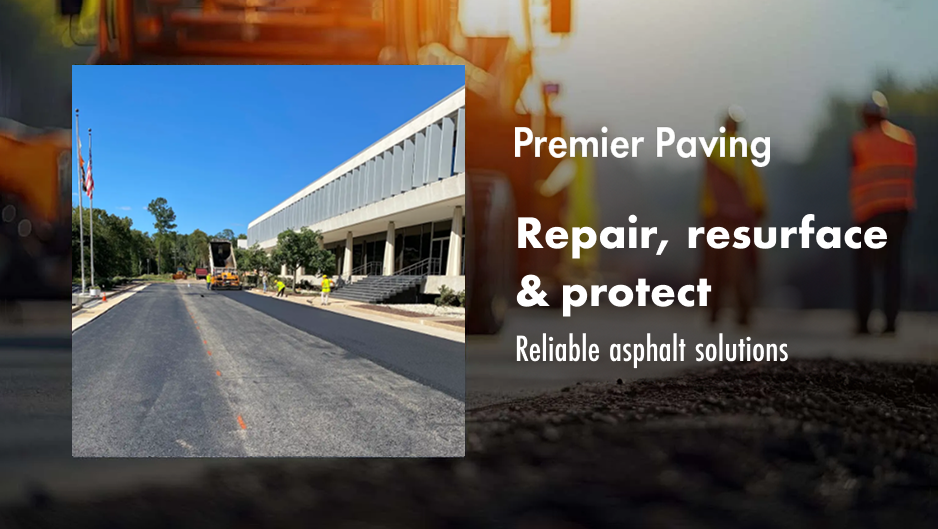
If you’re searching for “asphalt paving near me”, we at Premier Paving are committed to delivering high-quality craftsmanship that withstands Maryland’s weather, daily traffic, and real-world wear. Whether it’s new installations, repairs, or resurfacing, we ensure every project is handled with proper grading, careful prep work, and clean finishing to enhance both durability and curb appeal.
Serving: Annapolis, Severna Park, Pasadena, Arnold, Edgewater, and surrounding areas.
As a trusted commercial paving company, we help businesses maintain safe, professional-looking lots with reliable, long-lasting results.
Homeowners also rely on our experienced residential asphalt paving contractors to create smooth, durable driveways that stay strong for years.
Contact us today to schedule an estimate and protect your pavement investment.
Frequently Asked Questions
1) How often should pavement be inspected for early damage?
Most asphalt surfaces should be inspected at least twice a year (spring and fall). For commercial lots, monthly walk-through checks help catch cracks, drainage issues, and edge breakdown before they turn into costly repairs.
2) What causes asphalt to crack even if it’s not very old?
Early cracking can occur due to poor drainage, weak base layers, heavy turning traffic, extreme heat, freeze-thaw cycles, or UV-induced oxidation. Even small cracks can spread quickly once water gets underneath the surface.
3) When should property owners call asphalt contractors?
It’s time to contact asphalt contractors if cracks are widening, potholes keep returning, the surface has alligator cracking, or certain areas feel uneven or soft. These usually signal deeper structural issues beyond surface fixes.
4) What’s the difference between resurfacing and full replacement?
Resurfacing adds a new top layer over an existing base that’s still stable. Full replacement involves removing the asphalt and rebuilding the foundation. Resurfacing is usually more affordable, but it only works when the base is not failing.
5) How can a commercial paving company reduce long-term parking lot repair costs?
A professional commercial paving company helps lower total costs by establishing a maintenance schedule, reinforcing high-traffic areas, addressing drainage issues early, and repairing cracks before they cause base damage.