
Winter rarely leaves pavement untouched. Snow piles up, ice forms, road salt spreads across surfaces, and vehicles carry dirt and grime onto the property. When spring finally arrives, the surface often looks tired and stained.
This is usually the time homeowners start thinking about maintenance. Many people even reach out to asphalt contractors during this season because warmer temperatures make inspections and repairs easier. A good cleaning routine can reveal hidden issues and help prevent larger problems later.
A proper spring cleaning routine can bring an asphalt driveway back to life. The goal is simple. Remove winter residue, clean stains, and protect the surface to keep it lasting longer.
The process is not complicated, but it requires a careful approach. The wrong chemicals or tools can damage the pavement. The right methods, on the other hand, help maintain strength and appearance for years.
This guide explains the steps clearly and provides practical advice for homeowners preparing their property for the new season.
Why Spring Cleaning Matters for Your Driveway
Winter weather creates the perfect conditions for surface damage. Ice expands inside small cracks, snowplows scrape pavement, and road salt slowly breaks down protective layers.
All of this stress can leave a driveway looking worn by the time warmer weather arrives.
Spring cleaning is more than just cosmetic maintenance. It helps protect the pavement’s structure.
A seasonal cleaning routine helps:
- Remove leftover road salt.
- Clear debris that traps moisture
- Prevent organic growth like moss.
- Reveal small cracks that need repair.
- Improve the property’s overall appearance.
Ignoring these issues allows them to grow. A little attention in spring can significantly extend pavement life.
Inspect the Surface Before Cleaning
Before starting any cleaning process, it helps to take a slow walk across the pavement.
Look closely at the entire asphalt driveway. Pay attention to areas near the garage entrance, edges, and spots where water tends to collect.
Common issues to look for include:
- Hairline cracks
- Surface fading
- Oil stains
- Small potholes
- Loose gravel along the edges
Inspection is an important first step. Dirt and stains can hide damage that may need repair.
Spotting these issues early allows homeowners to plan maintenance before the problem worsens.
Remove Debris and Loose Dirt
Cleaning should always begin with debris removal.
Leaves, sand, and gravel often build up during winter storms. These materials trap moisture, which encourages deterioration.
Start by sweeping the entire driveway with a sturdy outdoor broom. Move slowly and cover every section.
Focus on:
- Corners near the garage
- Edges where grass meets pavement
- Low spots where debris collects
A leaf blower can help clear fine particles more quickly.
Removing debris first prevents it from turning into muddy residue once water is added.
Rinse the Surface With Water
Once the loose debris is gone, the next step is a full rinse.
Use a garden hose or pressure washer at a moderate setting. The goal is to wash away dust, dirt, and leftover salt deposits.
Spray water evenly across the asphalt driveway and allow the runoff to carry dirt toward the street or drainage area.
Keep a few safety tips in mind:
- Maintain a steady spraying motion.
- Avoid very high pressure settings.
- Hold the nozzle several inches above the surface.
- Work from the highest point downward.
Gentle cleaning is always better than aggressive blasting. Excess pressure can weaken the pavement surface.
Clean Oil and Grease Stains
Oil stains are one of the most common driveway problems. Vehicles drip small amounts of engine oil, transmission fluid, or fuel over time.
These substances soften asphalt and slowly damage the pavement binder.
Treat stains on the driveway as soon as they appear.
Start by sprinkling an absorbent material such as baking soda, cat litter, or sawdust over the stain. Let it sit for several hours to absorb excess oil.
After that, scrub the spot with warm water and a mild detergent. A stiff brush works well for this step.
Rinse the area thoroughly once the stain begins to lift.
Deep stains may require repeating the process several times.
Remove Moss and Organic Growth
Some sections of pavement receive less sunlight than others. These areas can develop moss or algae, especially after long winters.
Organic growth holds moisture against the pavement and can make the surface slippery.
To clean these patches on an asphalt driveway, use a simple cleaning solution of water and white vinegar, or an oxygen-based cleaner.
Apply the solution and let it sit for about 15 minutes.
Then gently scrub the area with a broom or brush. Rinse thoroughly afterward.
This method removes growth without harming the pavement.
Rinse and Allow the Surface to Dry
After stains and organic growth are removed, give the pavement one final rinse.
Make sure the entire asphalt driveway is washed clean so no cleaning residue remains.
Once rinsed, allow the surface to dry naturally.
Spring temperatures usually help the drying process move quickly. Sunlight and light wind can dry most driveways within a few hours.
Dry pavement also makes it easier to identify cracks or worn areas that may need repair.
Sealcoating After Cleaning
Many homeowners notice that their pavement looks slightly faded after cleaning.
This happens because dirt and residue that once covered the surface have been removed.
Applying a sealcoat can restore the deep black appearance of an asphalt driveway while adding a protective barrier.
Sealcoating protects against:
- Water penetration
- UV damage from sunlight
- Automotive fluids
- Surface wear from daily use
Industry professionals usually recommend applying sealcoat every 2 to 3 years, depending on traffic and climate conditions.
The surface must be completely clean and dry before sealcoating begins.
When Professional Help Is Needed
Some issues go beyond basic cleaning.
Large cracks, deep potholes, or sinking pavement require professional repair methods. In those cases, contacting an asphalt paving company is often the safest choice.
Experienced crews have the equipment and materials needed to properly restore pavement.
Professional services may include:
- Crack filling
- Patching damaged sections
- Surface resurfacing
- Complete driveway replacement
These solutions address structural issues that cleaning alone cannot fix.
Mistakes to Avoid During Driveway Cleaning
Spring maintenance is simple, but a few mistakes can cause unnecessary damage.
Avoid these common problems.
Using harsh chemicals
Strong solvents can break down asphalt compounds, weakening the pavement.
Overusing pressure washers
Extremely high pressure can strip away the protective surface layer.
Ignoring early cracks
Cleaning the surface without repairing cracks allows water to seep deeper into the pavement structure.
Using metal brushes
Metal tools scratch the surface and may cause long-term damage.
A careful cleaning routine protects the pavement instead of harming it.
Simple Maintenance Tips for the Rest of the Year
Cleaning once in the spring is helpful, but ongoing care keeps the pavement in better condition.
A few simple habits can make a big difference.
- Keep the surface clear of leaves and debris so moisture does not collect.
- Clean spills quickly before oil or fuel penetrates the pavement.
- Repair small cracks as soon as they appear.
- Monitor drainage after heavy rain to make sure water does not pool on the surface.
Regular attention helps maintain the appearance and durability of the driveway year-round.
Final Thoughts on Spring Driveway Maintenance
Seasonal maintenance helps protect one of the most used surfaces on any property.
Spring offers the ideal time to remove winter residue, inspect for damage, and restore the surface. A proper cleaning routine improves both appearance and durability.
Taking time to maintain an asphalt driveway can prevent small issues from becoming expensive repairs later. Clean pavement also helps homeowners spot early warning signs of wear.
A few hours of careful work each spring can add years to the surface’s life. For many property owners, that simple routine makes a noticeable difference in both safety and curb appeal.
Premier Paving Delivers Durable Driveways and Reliable Asphalt Solutions
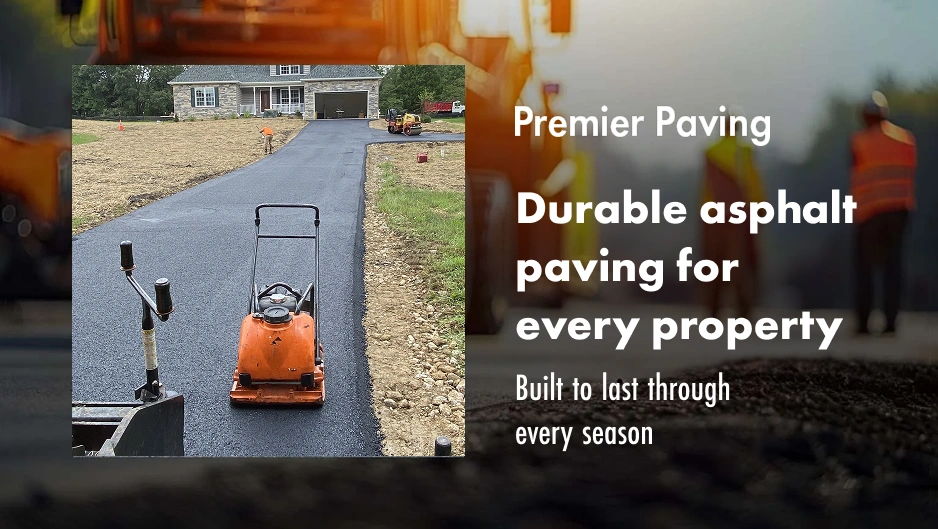
When a driveway needs expert care, working with experienced asphalt contractors makes all the difference. Premier Paving brings years of hands-on experience in residential and commercial paving, offering services such as asphalt paving, sealcoating, grading, tar and chip, stone and gravel driveways, and asphalt milling. The team focuses on quality workmanship and long-lasting results so property owners can enjoy strong, reliable pavement that improves curb appeal and functionality.
As a trusted asphalt paving company, Premier Paving uses proven techniques and durable materials to deliver surfaces built to withstand daily use and changing weather conditions. From new driveway installations to repairs and resurfacing, every project is handled with attention to detail and customer satisfaction in mind.
Serving Annapolis, Severna Park, Stevensville, Pasadena, Arnold, Edgewater, and surrounding areas, the company provides dependable paving solutions tailored to each property.
Ready to upgrade your driveway or schedule professional maintenance? Contact us today to get a free estimate and discuss your project.
Frequently Asked Questions
1. How often should a driveway be cleaned during the year?
Most homeowners clean their driveways once or twice a year. Spring is usually the best time because winter leaves behind salt, dirt, and debris. Regular cleaning removes buildup that can trap moisture, helping maintain the surface for longer.
2. Do asphalt contractors recommend pressure washing driveways?
Many asphalt contractors recommend using a pressure washer only at a moderate setting. Extremely high pressure can damage the pavement surface by stripping protective oils. A gentle rinse with mild cleaning solutions is usually the safest method.
3. What is the best way to remove oil stains from a driveway?
Fresh oil stains should be treated promptly. Absorbent materials such as cat litter or baking soda can help soak up the oil. After that, scrubbing with warm water and a mild detergent can remove most remaining residue.
4. When should I call an asphalt paving company for driveway issues?
If the pavement has large cracks, potholes, or areas where water collects, cleaning alone will not solve the problem. In those cases, contacting an asphalt paving company is the best option, as professionals can assess the damage and perform appropriate repairs.
5. Does sealing help protect driveways after cleaning?
Yes. Applying a sealcoat helps protect the surface from moisture, sunlight, and vehicle fluids. Many experts recommend resealing every few years to maintain durability and extend pavement life.