
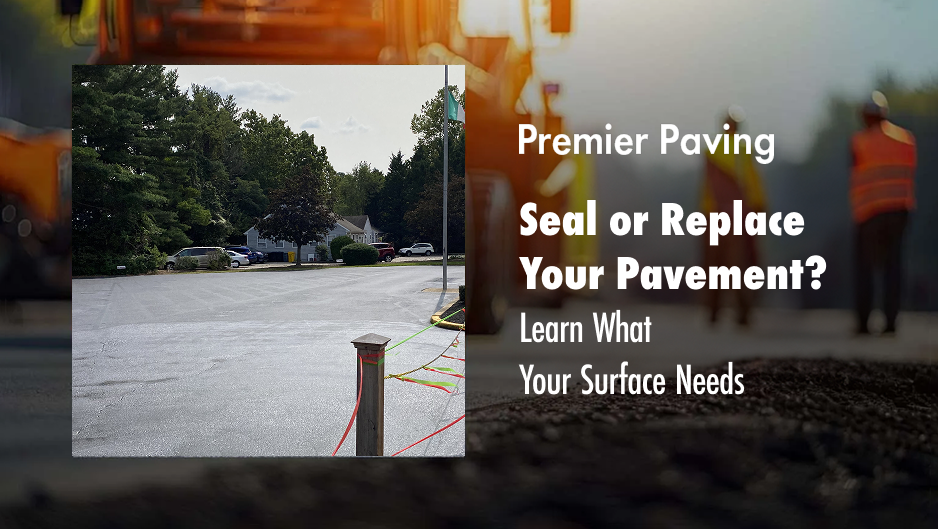
When your driveway or parking lot starts to age, cracks appear, the surface dulls, or rough patches emerge, it’s natural to wonder: should you repair it, seal it, or completely replace it and rebuild? The answer isn’t one-size-fits-all. Each option, whether it’s asphalt sealcoating, an overlay, or full reconstruction, serves a specific purpose depending on the level of wear and your long-term plans.
Choosing the right fix starts with understanding what each method does, when it’s the right fit, and how it impacts your investment. In this guide, we’ll break down the differences and help you figure out the smartest move for your pavement, before minor issues turn into major headaches.
Understanding the Basics Before You Decide
Asphalt sealing repair is often the first step property owners consider when cracks or minor damage appear. It’s a common maintenance approach, but is it enough? That depends on the level of deterioration.
Every asphalt surface goes through a life cycle. Knowing where yours stands in that cycle can save you thousands and help avoid premature reconstruction.
1. What Is Asphalt Sealcoating?
This is a protective treatment applied to pavement surfaces to extend their life and maintain appearance. It acts as a barrier against harsh weather, automotive fluids, and the sun’s damaging rays. Sealing the top layer helps prevent cracks from forming and slows down surface deterioration. This treatment also restores the dark black color of the pavement, giving it a fresh and clean appearance.
When Should You Use It?
- Your asphalt is still structurally sound.
- There are minor surface cracks but no major potholes.
- Fading color and minor roughness have started to appear.
Sealcoating typically extends the life of asphalt by sealing small cracks and preventing moisture from entering the pavement. It’s ideal for newer or well-maintained pavements that just need a protective boost.
Why It Works
The process helps restore a deep black finish while slowing down the oxidation process. It can improve the appearance dramatically and increase property appeal with minimal investment. Asphalt sealcoating also adds a smooth finish, making snow removal easier and reducing wear from traffic.
2. Overlay: A Step Up from Sealcoating
An overlay is a new layer of asphalt placed on top of the existing surface. Unlike sealcoating, it adds thickness and corrects more significant issues, such as rough patches or shallow potholes.
When Should You Consider an Overlay?
- The base layer is still intact.
- Damage is moderate but not structural.
- You want to improve appearance and functionality without full demolition.
Overlay is a cost-effective solution that delivers a refreshed surface. However, it won’t fix problems caused by foundation issues. If the cracks go deep, the overlay may only delay the inevitable reconstruction.
Overlay has its limits. If the underlying damage continues to recur, a more comprehensive solution may be necessary.
3. Reconstruction: When There’s No Turning Back
Reconstruction involves tearing out the existing pavement and starting over. It’s the most invasive and most expensive of all options. But sometimes, it’s the only realistic solution.
Signs You Need Full Reconstruction
- Extensive alligator cracking.
- Standing water or drainage issues.
- Soft spots or sinking areas.
- Previous repairs keep failing.
Reconstruction resets the clock. While sealcoating might not be an option anymore, starting from scratch gives you the chance to build a stronger, longer-lasting foundation. It has a higher upfront cost, but it can result in lower maintenance costs in the future.
4. Visual Clues: What Does Your Pavement Say?
Look at your surface. Do you see:
- Tiny cracks no wider than a credit card?
- Faded color but no texture loss?
- A generally smooth surface?
Then, sealcoating might be all you need.
If you spot:
- Shallow dips or surface-level rough patches,
- Slight warping,
- The previous sealcoat was wearing thin,
Overlay could be the right move.
However, if the pavement resembles a shattered windshield, with webbed cracks and visible potholes, reconstruction is likely necessary.
5. Cost Comparison: What Will You Spend?
Asphalt sealcoating is the most affordable of the three. It offers a high return on investment by extending the life of your surface at a low cost. Typically applied every 2-3 years, it’s maintenance, not a cure.
Overlay comes next. It costs more than sealcoating but less than a full rebuild. Think of it as a facelift that buys your pavement a few more good years.
Reconstruction is the big one. It involves excavation, base repair, and full replacement. It’s a long-term solution for serious damage, but the cost reflects the depth of work required.
6. Maintenance Timing: Get the Calendar Right
Your climate, usage, and existing damage determine the right schedule.
- For sealcoating, aim for spring or early fall. Avoid extreme heat or cold.
- Overlays can happen during warmer months when the material can bind properly.
- Reconstruction should be planned during stable weather to avoid complications with the base.
Time it right, and your maintenance work will last longer and perform better.
7. Benefits of Regular Sealcoating
Let’s not underestimate the power of routine asphalt sealcoating. Done right, it:
- Slows oxidation and hardening.
- Prevents water intrusion.
- Reduces the chance of major cracks forming.
- Enhances appearance.
- Saves money over time by minimizing big repairs.
One of the best things about sealcoating is how it preserves what you already have. Rather than rebuilding, you’re protecting. That’s smart maintenance.
8. Common Myths Debunked
Myth 1: Sealcoating fixes all issues.
False. It’s preventative, not restorative. Once the damage is severe, sealcoating alone won’t be enough.
Myth 2: Overlays and reconstructions are interchangeable.
Wrong. Overlay adds a surface layer. Reconstruction replaces everything from the ground up. The difference matters.
Myth 3: If it looks fine, no action is needed.
Not always. Pavement may look okay on the surface, but still has hidden weaknesses. Catching it early with asphalt sealcoating can prevent deeper problems from developing.
9. How to Choose the Right Service Provider
Look for a company that inspects before providing a quote. Avoid those who suggest a fix without understanding the current condition. A reliable contractor will:
- Offer clear inspection reports.
- Explain the differences in services.
- Provide honest guidance, not upselling.
Ask if they offer routine maintenance plans. Asphalt sealcoating companies with long-term clients often deliver better service.
10. Final Word: Make the Right Choice for Your Asphalt
The condition of your pavement isn’t just cosmetic; it affects safety, durability, and property value. Whether it’s a minor crack or a web of damage, knowing the right fix can save time and money.
Choose asphalt sealcoating if you’re looking to maintain and preserve your asphalt. Go for an overlay when wear is visible but not critical. And commit to reconstruction when the surface has simply run its course.
Each option has its time and place. The key is acting before the damage worsens. Don’t wait for potholes to form. Prevent them before your asphalt gets beyond the point of simple repair.
Protect Your Pavement with Premier Paving – Reliable Sealcoating and Repair Services
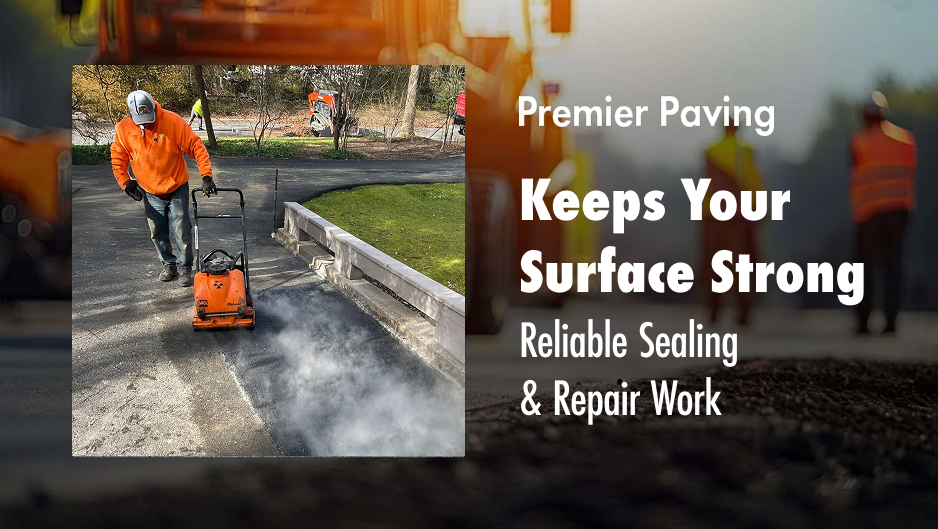
If you’re searching for “seal coating contractors near me”, look no further than Premier Paving. With years of experience and a commitment to quality, we specialize in preserving residential driveways through effective sealing and long-lasting solutions.
Our team utilizes professional-grade materials and techniques to deliver outstanding asphalt sealing repairs that prevent cracks, resist weather damage, and extend the life of your surface.
We proudly serve Annapolis, Severna Park, Pasadena, Arnold, and surrounding areas with top-tier service and honest pricing.
Give your driveway the protection it deserves.
Contact us today for a free estimate and let Premier Paving handle your next sealcoating project with care.
Frequently Asked Questions
1. What’s the difference between asphalt sealcoating and resurfacing?
Sealcoating is a protective layer applied to the surface to prevent damage from weather and chemicals. Resurfacing (also called overlay) adds a new asphalt layer to fix moderate wear and tear. Sealcoating is maintenance; resurfacing is minor repair.
2. How often should asphalt sealcoating be done in the U.S. climate?
In most U.S. regions, it’s recommended every 2 to 3 years, depending on traffic levels and weather exposure. Cold winters and hot summers can accelerate surface damage, making regular sealing essential for long-term durability.
3. Does asphalt sealing repair fix potholes and deep cracks?
No, this method is not meant for major structural issues. Asphalt sealing repair addresses small cracks and surface wear, but won’t fix potholes or sinking. For those, patching or full reconstruction may be required.
4. Is asphalt sealcoating worth the cost?
Yes. It’s one of the most cost-effective ways to protect your driveway or parking lot. Sealcoating adds years to your pavement’s life, improves appearance, and helps avoid expensive repairs down the road.
5. What should I look for in a reliable seal coating contractor?
If you’re typing “seal coating contractors near me”, look for companies with experience, customer reviews, proper licensing, and clear communication. Ask about the products they use and how they prep the surface before application.
6. How long after sealcoating can I drive on the surface?
It’s best to wait 24 to 48 hours before driving or parking on a newly sealed surface. This allows the material to cure properly and prevents scuffing or damage.
7. Can asphalt sealing repair be done in cold weather?
Ideally, sealing should be done in warmer months. Temperatures should be above 50°F, and dry conditions are necessary for proper application and curing. Cold or wet weather can affect the final result.
8. Will sealcoating make my driveway look brand new?
While it doesn’t repair deep damage, sealcoating restores the rich black finish, reduces minor surface flaws, and gives your driveway a refreshed, uniform appearance, instantly boosting its curb appeal.
9. How do I maintain asphalt after sealcoating?
Avoid turning tires in place, clean up oil spills promptly, and limit the parking of heavy vehicles. Routine maintenance and periodic sealing help preserve the protective layer and prevent new cracks from forming.