
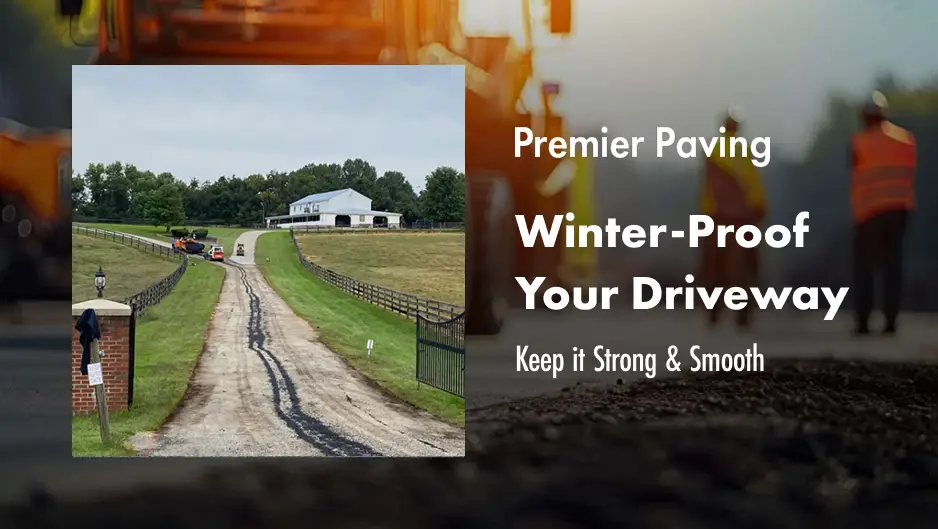
Winter can be unforgiving. Between freezing temperatures, snow, and melting ice, paved surfaces take a real beating. Without preparation, what looks solid in October can be a cracked mess by March. That’s why winter maintenance matters so much. It’s about stopping small damage before it becomes big trouble. Taking action early saves money, time, and frustration once the cold sets in.
1. Sealcoat Before Winter Arrives
A fresh sealcoat is like a protective coat that shields your pavement from snow, ice, and harsh chemicals. This layer fills surface pores and prevents water from seeping in. Once temperatures drop, trapped moisture expands and weakens the surface. Sealing helps prevent that.
Businesses that manage large parking lots also benefit from asphalt sealcoating, as it preserves the appearance and strength of their surfaces for years. It’s one of those preventive steps that doesn’t just protect, it upgrades the entire appearance. A smooth, sealed surface handles snow removal more effectively, resists cracking, and retains its appearance for longer.
2. Clean the Surface Regularly
Before winter storms begin, take time to clear dirt, debris, and leaves from your asphalt driveway. These materials trap moisture that turns to ice and slowly damages the pavement. Even a light layer of grime can speed up surface wear when vehicles and plows move across it.
A simple cleaning routine, sweeping or washing every few weeks, can do wonders. When snow arrives, it melts and drains away instead of freezing in place. Regular cleaning also makes it easier for de-icers to work effectively since they won’t react with debris or chemicals on the ground. It’s one of the easiest habits to maintain and pays off over time.
3. Handle Snow Removal with Care
Clearing snow is necessary, but how you do it determines how long your pavement lasts. Using metal-edged shovels or heavy plows can scrape away protective layers and create gouges. Once that happens, water seeps inside, freezes, and causes the formation of cracks.
To prevent this, use tools designed for safety, such as rubber-edged shovels or snow blowers, and adjust them to avoid surface contact. When you need to melt ice, avoid using rock salt. It’s harsh and breaks down the top layer over time. Safer alternatives include calcium chloride or sand-based de-icers. Taking these small precautions keeps the pavement intact all winter long.
4. Repair Cracks Before the Cold Sets In
Cracks are the first sign your pavement needs attention. Ignoring them allows water to slip in and freeze, which widens the damage. By early winter, those small openings can become potholes. Getting cracks sealed before frost hits keeps the surface stable and strong.
Professionals recommend inspecting the area closely during the fall. When cracks are filled, they stop the freeze-thaw process from spreading. Regular maintenance ensures the surface stays firm and smooth throughout the season. It’s an easy way to prevent larger, more costly repairs when spring arrives.
5. Keep Drainage Clear and Functional
Good drainage is essential for healthy pavement. If melting snow can’t drain away, it seeps underneath and freezes again. This constant cycle is what weakens the base structure and creates uneven surfaces. Before winter, clear all nearby drains, gutters, and curbs of debris to ensure water flows freely.
Large properties, including those with parking lot paving, can benefit from professional drainage assessments. Ensuring that water doesn’t pool on or near the surface significantly reduces long-term damage. The goal is to allow moisture to move freely, rather than allowing it to freeze in one place.
Schedule a Professional Inspection
Sometimes problems hide beneath the surface. A professional inspection before the first snowfall helps detect early warning signs that you might miss, such as minor cracking, fading, or low spots. Experts can assess whether your pavement needs sealing, patching, or other treatments before harsh weather makes repairs more challenging.
This proactive approach keeps you ahead of the damage. A quick fall inspection means fewer surprises in winter and smoother performance when temperatures fluctuate. Professionals can also provide maintenance advice tailored to your specific location and pavement type.
After the Storm, Inspect Again
Once a major snowstorm passes, it’s wise to check your asphalt driveway for standing water or areas where snowmelt isn’t draining. Early detection helps prevent more severe issues from developing. Cleaning away salt residue also prevents surface dullness and fading.
This habit only takes a few minutes but goes a long way. A short walk across your pavement after each storm helps you spot and fix damage while it’s still small. Regular checks keep everything in shape through the toughest months.
Conclusion: Prevention Always Pays Off
Winter doesn’t have to ruin your pavement. Simple steps, such as cleaning, sealing, checking drainage, and scheduling regular repairs, can make a significant difference. A solid plan for winter maintenance ensures your pavement remains strong, clean, and safe throughout the season.
Proper upkeep now means fewer headaches later. A well-maintained asphalt driveway doesn’t just survive winter; it looks great once the snow melts. Protect it today, and it’ll handle every cold, icy challenge tomorrow.
Reliable Winter-Ready Paving Solutions with Premier Paving
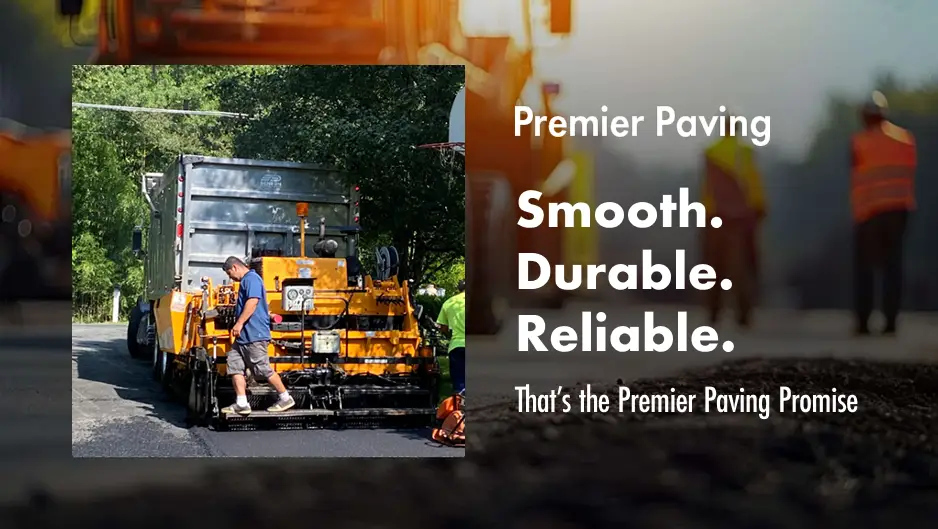
If you’re searching for “asphalt paving near me,” Premier Paving delivers professional workmanship and long-lasting results you can rely on. Our team specializes in high-quality paving services designed to withstand harsh weather conditions and daily wear and tear. From driveways to commercial lots, every project is built with precision, using premium materials that ensure smooth surfaces and durability year after year.
We also handle parking lot paving with expertise, focusing on strong foundations, clean finishes, and efficient drainage for better performance and safety. Whether it’s a new installation or resurfacing, we tailor every solution to fit your property’s needs.
Serving Annapolis, Severna Park, Pasadena, Arnold, Edgewater, and the surrounding areas.
Contact us today to schedule your paving consultation with Premier Paving.
Frequently Asked Questions
1. How can I protect my asphalt driveway during winter?
To protect your asphalt driveway, start by sealing cracks before temperatures drop. Keep it clean by removing snow gently and avoiding harsh chemicals, such as salt. A professional sealcoat applied before winter adds a layer of protection against moisture and freezing damage.
2. When should I schedule winter paving maintenance?
It’s best to schedule winter paving maintenance in late fall, before the first snowfall. This ensures that the surface is sealed, cleaned, and inspected for cracks, preventing damage during freezing and thawing cycles.
3. How often should asphalt sealcoating be done?
Experts recommend asphalt sealcoating every two to three years, depending on the level of traffic and weather conditions. Regular sealing helps preserve the pavement’s appearance and strengthens its resistance to snow, ice, and UV damage.
4. What’s the benefit of professional parking lot paving?
Professional parking lot paving provides a smoother surface, better drainage, and increased durability. It also improves safety for drivers and pedestrians, enhances property value, and ensures compliance with local regulations for commercial spaces.
5. Is it worth hiring a contractor for asphalt paving?
Yes, hiring a local professional for asphalt paving ensures quality results and long-lasting pavement. Local contractors understand your region’s climate, soil conditions, and seasonal challenges, which helps them design paving solutions built to last through tough winters.