
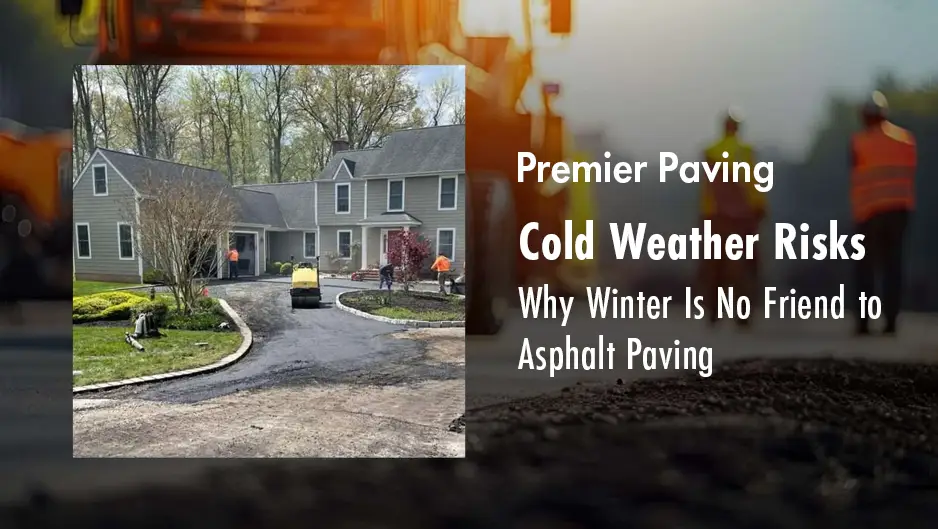
When it comes to asphalt paving, timing is everything. While asphalt is a durable and reliable material for roads, driveways, and parking lots, winter presents significant challenges for asphalt paving companies. Attempting to lay asphalt during cold weather can result in long-term issues that compromise the pavement’s quality, durability, and longevity. As temperatures drop, the conditions necessary for successful paving become harder to achieve, leading to potential problems down the road. In this blog, we’ll explore why asphalt paving is generally avoided in winter and the various risks associated with paving in freezing temperatures.
1. Temperature Fluctuations and Asphalt Quality
The temperature issue is the primary reason asphalt paving is put on hold during winter. Asphalt requires specific temperature conditions to cure and bond properly; cold temperatures make that process difficult. Asphalt must be laid at at least 50°F (10°C) for optimal performance. During winter, temperatures often drop below this threshold, making it nearly impossible to ensure the asphalt sets correctly.
When asphalt is laid in cold conditions, it doesn’t harden as it should, leading to weaker and less durable surfaces. This can cause the material to be more prone to cracking, which can shorten the lifespan of your paved surfaces. Asphalt paving contractors avoid working in such conditions to ensure the final product meets the required standards.
2. Challenges of Moisture and Snow
Snow, rain, and ice can wreak havoc on asphalt paving. These weather conditions are common in winter and complicate the asphalt installation process. Asphalt must be applied to dry surfaces; moisture can interfere with proper bonding. If water seeps into the mix or the base before the asphalt has been adequately compacted, it could create air pockets or cause the surface to crack.
Additionally, snow or ice on the ground prevents contractors from properly preparing the base layer for paving. Paving companies often face delays, as the surface must be free of snow, ice, and moisture to ensure an even, solid foundation.
3. Longer Cure Time
Asphalt requires time to cure after it’s applied, and colder temperatures lengthen this curing period. In the winter, asphalt takes much longer to dry and harden, increasing the risk of damage. The longer it stays vulnerable, the more likely it is to suffer from external factors, such as vehicles, snow plows, or other equipment.
If asphalt remains in a soft, malleable state for too long, it can result in ruts, uneven surfaces, or other unsightly imperfections that affect the pavement’s durability. For residential asphalt paving contractors, delaying work until spring allows the asphalt to cure and harden under ideal conditions properly.
4. Cost Considerations for Asphalt Paving
Winter paving can be costly. For one, the cold weather can make the machinery used to lay asphalt work less efficiently, leading to higher operational costs. Contractors may need heaters to keep the asphalt at the right temperature while it’s being applied, adding additional expenses to the project.
Moreover, repairs or additional work to address issues arising from improperly laid asphalt can drive up costs. Given these considerations, many asphalt paving companies prefer to delay their work until the weather suits the job.
5. Increased Risk of Damage During Transportation
Transporting hot asphalt to the job site in the winter also presents a challenge. Asphalt must be kept at high temperatures to maintain its workability, but the cooling process is accelerated in winter. When the asphalt reaches the location, it may already be too cold to apply effectively.
Asphalt paving companies often face complications transporting asphalt in colder temperatures. It’s not just about laying it down; the temperature must remain within a certain range throughout transportation and application to ensure it performs as expected.
6. Ground Conditions Affecting Paving Quality
The underlying ground is another factor that plays a significant role in asphalt paving. Asphalt needs a stable and solid foundation to perform optimally. During winter, the ground tends to freeze, making it difficult to prepare the base layer. Frozen ground doesn’t allow for proper compaction or base preparation, which can lead to settling and cracking once the asphalt is laid.
Even when the ground appears solid, it may not be stable enough to support the paving equipment or the asphalt. This is another reason why many residential asphalt paving contractors hold off on projects until temperatures warm up and the ground becomes more manageable.
7. Safety Concerns for Asphalt Paving Workers
Cold weather conditions are bad for the asphalt and dangerous for workers. When temperatures drop too low, the risk of hypothermia, frostbite, and general discomfort increases for the paving crew. Working in such conditions is challenging, especially when moving and manipulating heavy equipment in icy conditions.
Contractors need to consider the safety of their workers. Paving companies need to ensure the well-being of their team members, which is why construction projects often slow down or halt altogether during the winter months.
8. Impact on the Appearance of Asphalt Surfaces
Another concern for homeowners or businesses looking to install asphalt during winter is the final aesthetic. Asphalt paved during the cold months often looks dull and uneven. The lack of proper setting can leave the surface with unsightly texture issues, including streaks, bumps, or discolored patches.
Asphalt typically sets with a smooth, uniform finish when temperatures are more moderate. Without the proper conditions in winter, the surface may have imperfections that can be difficult to fix without extensive rework.
Upgrade Your Driveway with Premier Paving
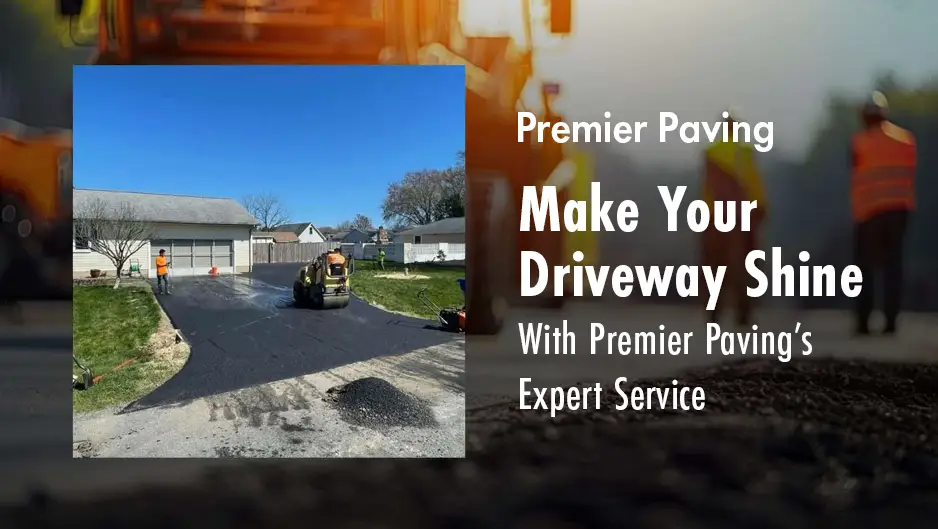
Looking for a trusted asphalt paving company to transform your driveway? Premier Paving specializes in asphalt paving, delivering smooth, durable surfaces that enhance the appearance and functionality of your property. Our team of skilled residential asphalt paving contractors is committed to providing exceptional service, ensuring that each project meets the highest standards of craftsmanship. We proudly serve Annapolis, Severna Park, Pasadena, Arnold, Edgewater, and surrounding areas, offering new installations and upgrades. Whether you’re looking for a fresh look or need to repair your current driveway, we use the best materials and proven techniques to achieve lasting results.
Contact us today to schedule a free consultation, and let Premier Paving help bring your vision to life with a beautiful, long-lasting driveway!