

Homeowners and business owners are paying closer attention to how their choices affect the planet. Whether installing solar panels or using reclaimed wood for fencing, sustainability matters. One area people often overlook? Driveways. Strange, isn’t it? Most folks simply call the nearest driveway contractors, pick a material, and get it done — without much thought about the environmental impact. But here’s the twist: your choice of driveway material has bigger consequences than you might imagine.
Asphalt has quietly become a front-runner for eco-conscious property owners. Not because it’s trendy but because it checks a surprising number of green boxes. In this article, we’ll explain why an asphalt driveway isn’t just good-looking and tough—it’s also a smarter, more sustainable choice for driveways and parking lots.
1. Asphalt’s Secret Superpower: Recyclability
Do you know what’s wild? Asphalt is one of the most recycled materials on the planet. That blacktop you see under your tires might have already lived another life on a road, a highway, or even someone else’s driveway. When an asphalt driveway reaches the end of its service life, it’s not tossed into a landfill like other materials. Instead, it’s milled, ground up, and turned into new asphalt.
Recycled asphalt (called RAP — Reclaimed Asphalt Pavement) isn’t some second-rate version either. It holds up just as well as new material and, in some cases, even better due to the enhanced binding qualities of aged asphalt. This means less mining for new aggregates and reduced energy use overall.
So, whenever you choose an asphalt driveway, you give old materials a second chance. How’s that for eco-friendly?
2. Energy Efficiency from Production to Installation
You might think: “Okay, but what about the production process? Isn’t that energy-heavy?” Good question. Asphalt production consumes less energy and releases fewer greenhouse gases than concrete. Asphalt plants operate with strict emissions controls, and modern technology has helped improve efficiency even further.
Here’s where it gets even better — asphalt driveway installation is usually faster than concrete, which means less machinery running for shorter periods. Shorter installation times = less fuel burned. Less fuel burned = lower carbon footprint.
On top of that, warm-mix asphalt — a newer variation — can be produced and installed at lower temperatures, reducing energy consumption by up to 20%. That’s saving money for you and helping reduce environmental impact.
3. Reduced Heat Island Effect — Asphalt Isn’t the Villain Here
People often assume that an asphalt driveway makes their property hotter during the summer because it’s dark. Darker surfaces absorb more heat, but modern asphalt mixes are changing that narrative.
Innovations in reflective asphalt surfaces, including specialized coatings and lighter blends, help reduce the “heat island” effect, where urban areas become significantly warmer due to heat-absorbing materials. Reflective asphalt options can bounce back sunlight instead of soaking it all in, keeping the surrounding areas cooler.
So, before you picture your driveway as a heat magnet, know you have options. And these eco-friendly tweaks are becoming more affordable, thanks to improvements driven by—you guessed it—demand from folks like you who care about sustainability.
4. Porous Asphalt: Nature’s Little Helper
One of the coolest things about modern asphalt is the option for porous paving. Porous asphalt driveway designs allow rainwater to filter directly through the surface and into the ground below instead of running off into storm drains.
Why is that such a big deal? Because traditional driveways often contribute to water pollution and erosion. When rain runs off concrete or non-porous surfaces, it carries oil, grease, and other pollutants into rivers and lakes. Porous asphalt helps minimize runoff, recharge groundwater, and naturally filter pollutants.
In plain terms? It helps Mother Nature do her job better. So, if you’re thinking long-term about sustainability, a porous asphalt driveway is worth a serious look.
5. Longevity Means Less Waste (and Fewer Headaches)
Here’s a reality check — eco-friendly isn’t just about what something is made of; it’s also about how long it lasts. A durable asphalt driveway doesn’t need constant repairs, re-paving, or total replacement every few years.
With proper maintenance (think sealing cracks and occasional resurfacing), an asphalt driveway can last 20 to 30 years, sometimes even more. That longevity keeps tons of material out of landfills and reduces the need for frequent energy-consuming repairs.
Less material wasted. Less money is spent on repeated fixes. Less energy is used. A win across the board.
6. Quieter and Safer Too — The Bonus Benefits
This one’s often overlooked. Did you know asphalt surfaces are quieter than concrete? The texture of an asphalt driveway helps reduce road noise, which is particularly helpful in busy neighborhoods or commercial areas.
On top of that, asphalt provides better traction. An asphalt driveway handles water better than its concrete cousin during rainy days or winter months. That means less slipping and sliding, making cars, pedestrians, and cyclists safer.
While these may seem like small bonuses, adding them up makes the asphalt choice even more attractive, especially for driveways that get daily use.
7. Less Harmful to Wildlife and Local Ecosystems
This might surprise you, but the impact of a driveway doesn’t stop at your property line. Driveways can disrupt soil, water flow, and nearby habitats. The more natural the stormwater management, the better it is for local plants and animals.
Porous asphalt driveway options help water seep naturally back into the earth. This reduces the risk of harmful runoff entering streams and rivers, affecting fish, amphibians, and other wildlife. In contrast, traditional impermeable driveways often contribute to erosion and disrupt delicate ecosystems.
If you want your home or business to blend more respectfully with nature — even in small ways — asphalt quietly supports that goal.
8. Asphalt is Cost-Effective Without Compromising the Planet
Let’s be real: budget matters. While you may want to make eco-conscious decisions, you probably don’t want to burn through your entire renovation fund doing it. The beauty of an asphalt driveway? It’s one of the most cost-effective paving options out there.
Installation costs are typically lower than concrete, and maintenance won’t make you sweat. Even better, choosing experienced driveway contractors who know the ins and outs of eco-friendly paving ensures you get the most bang for your buck while still making a responsible choice.
Final Thoughts: Why Asphalt Just Makes Sense
An asphalt driveway is not just another paving option. It is a sustainable, cost-effective, and environmentally responsible choice that offers long-term value. From recyclability and lower carbon emissions to improved stormwater management and reduced urban heat, asphalt outperforms many alternatives in ways often overlooked.
Discussing eco-friendly solutions with driveway contractors is worth the effort for homeowners and businesses alike. Asphalt offers more than just affordability — it offers a way to invest in your property and the planet.
Pave the Way with Premier Paving — Your Local Asphalt Experts
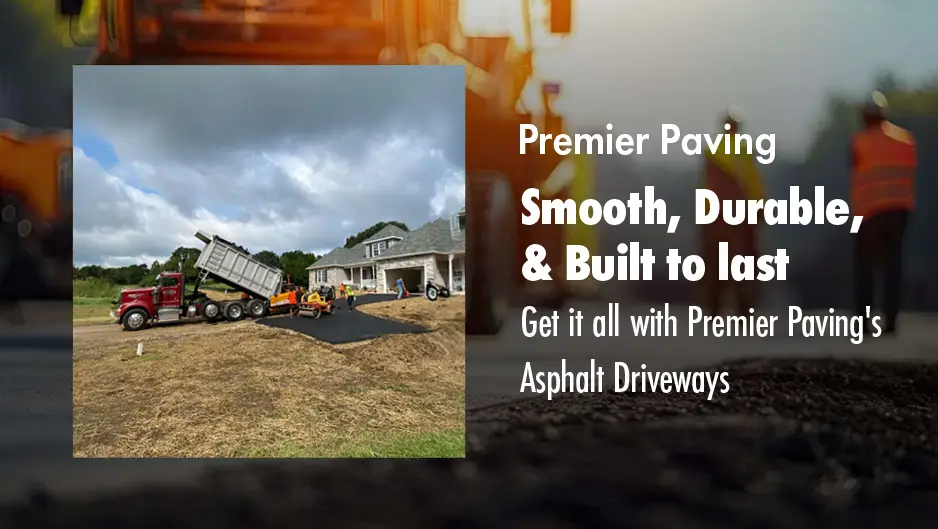
At Premier Paving, we specialize in crafting asphalt driveways that are as durable as they are attractive. As experienced driveway contractors serving Maryland and the surrounding areas, we bring decades of hands-on expertise to every project, ensuring a smooth and professional finish.
From precise grading to expert installation and final compaction, we deliver driveways built to withstand weather, wear, and time. Our team focuses on creating driveways that function flawlessly and enhance your property’s beauty and value.
Looking for a reliable asphalt driveway solution? Contact us today for a free estimate and experience the Premier Paving difference.