

Paving a driveway might seem straightforward at first glance. But there’s more going on beneath the surface, literally and figuratively, than what most homeowners realize. Whether you’re upgrading an old entry or laying down a new path, the right approach makes a big difference. Professional driveway contractors often encounter a range of misconceptions and surprises when it comes to this essential part of home exteriors.
Let’s break down ten lesser-known facts about paving an asphalt driveway that will change the way you look at this common home improvement project.
1. The Base Is Everything
Before considering asphalt, your driveway requires a solid foundation. Most people assume the visible surface is what matters most. Not quite.
Without a compacted, stable base layer, the asphalt on top will shift and crack over time. Gravel, crushed stone, and proper grading are key. If the base isn’t done right, no amount of surface work can save the project.
2. Asphalt Has Its Season
You can’t just decide to pave your asphalt driveway in any month of the year. Temperature matters. A lot.
Asphalt needs warm conditions to compact properly. Summer and late spring offer the best windows. Colder months can lead to loose, crumbling surfaces that won’t last a full season. Even mild fall temperatures can throw off the results.
3. Asphalt Isn’t One-Size-Fits-All
Do you think all asphalt mixes are the same? Not even close.
There are various blends tailored to different regions, climates, and intended uses. Some mixes are built for heavy traffic. Others are softer and more flexible, making them ideal for residential use. The type of asphalt driveway you get should match your needs, not just your budget.
4. Drainage Can Make or Break It
Water is the quiet enemy of any driveway.
Even a tiny puddle left standing after rain can sink into the surface, freeze in winter, and crack the asphalt from the inside out. That’s why smart grading is crucial. A slight slope or proper drainage channels will keep
water moving away. Don’t settle for flat, flawless looks over function.
5. Sealing Too Soon? Big Mistake
There’s a lot of talk about sealing your driveway. And yes, it’s important. But timing is everything.
Many homeowners rush to apply sealant within days of installation. But a freshly laid driveway needs time to cure and settle. Sealing it too early can trap gases and weaken the surface. Give it a few months before sealing, and you’ll see far better long-term results.
6. Recycled Asphalt Exists and It Works
You don’t always need virgin materials to get a great surface. Recycled asphalt, known as RAP (Reclaimed Asphalt Pavement), is making waves in modern paving.
It’s eco-friendly, often more affordable, and surprisingly durable. Some contractors are even blending RAP with fresh materials to strike a balance between performance and sustainability. If you’re open to options, a recycled asphalt driveway might be worth exploring.
7. Curing Takes Time Even If It Looks Done
After the rollers are gone and the final layer is in place, the surface may appear ready. But it’s not fully cured.
A new driveway may take days or even weeks to set completely, depending on weather and thickness. Parking heavy vehicles too soon can cause indentations in the ground. Even walking on it right away isn’t always ideal. Let it breathe and firm up at its own pace.
8. Thickness Isn’t Just About Strength
The thickness of your asphalt layer matters, but not just for durability.
Too thick, and the surface can become uneven or fail to bond properly with the base. Too thin, and cracks form easily. A good contractor will adjust thickness based on traffic patterns, soil conditions, and weather exposure. Not every asphalt driveway needs the same depth.
9. Maintenance Is More Than Sealing
Sure, sealing gets all the attention, but upkeep involves more than just a topcoat every few years.
Clearing debris, patching cracks early, and avoiding oil spills go a long way in maintaining a safe environment. Even tree roots can slowly damage your asphalt driveway from below if not addressed. Maintenance isn’t glamorous, but it’s cheaper than replacement.
10. Local Codes May Surprise You
Depending on where you live, there may be rules governing the construction of driveways.
From property line setbacks to allowed materials, local codes can restrict what you can or can’t do. Some areas even require permits for resurfacing or extending the pavement. Before hiring anyone or buying materials, check with local authorities. Your perfect asphalt driveway may require some paperwork first.
Final Thoughts
Paving a driveway isn’t just about creating a path from the street to your garage. It’s a blend of planning, material science, craftsmanship, and ongoing care. While it may look simple from the curb, getting it right requires more thought than most realize.
Understanding the finer points, such as seasonal timing, proper drainage, or regional asphalt blends, can help you make smarter decisions. It also ensures that your investment lasts, looks good, and performs well.
So next time you hear someone talking about laying down an asphalt driveway, you’ll know there’s more under the surface than they might think.
Why Homeowners Trust Premier Paving: Expert Driveway Contractors You Can Rely On
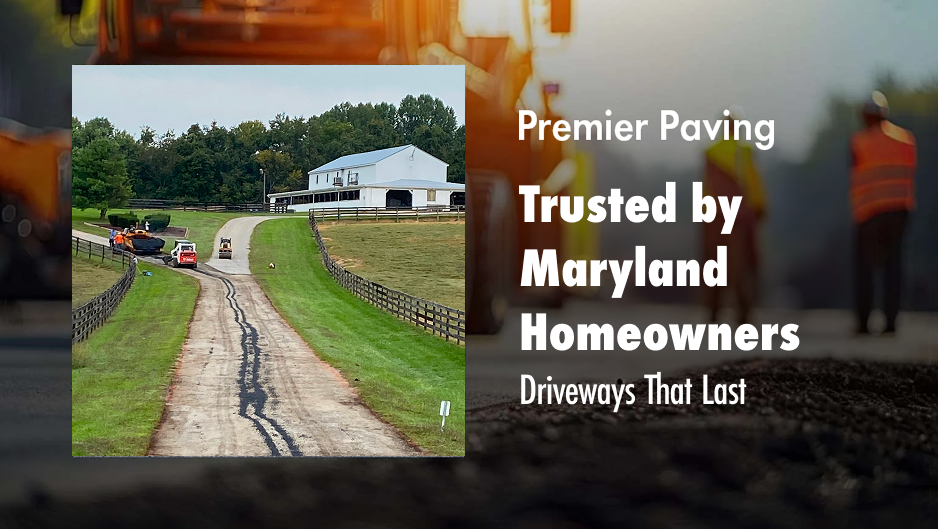
Looking for reliable driveway contractors who understand the value of quality and durability? Premier Paving delivers exceptional asphalt paving services tailored to your home’s needs and local conditions. With decades of experience, we understand what it takes to build driveways that withstand Maryland’s weather and daily wear and tear.
Our team focuses on proper grading, solid base preparation, and smooth, lasting finishes. Whether you’re installing a brand-new driveway or resurfacing an old one, we bring professional craftsmanship and personal attention to every project.
We proudly serve Annapolis, Severna Park, Pasadena, Arnold, Edgewater, and surrounding areas.
Ready to upgrade your driveway? Contact us today for a free estimate and expert guidance.