

Your asphalt driveway is more than just a functional path for your car; it’s an investment that enhances your property’s curb appeal and functionality. However, to ensure it serves you well for years, it’s crucial to recognize how the local climate can impact the longevity and performance of your asphalt driveway. As an experienced asphalt paving company, we understand the importance of maintaining your driveway to withstand the challenges posed by various weather conditions.
In this guide, we’ll explore how different weather elements affect your asphalt driveway and provide you with expert tips on preserving its quality.
Understanding Asphalt Driveways
Before we dive into the specifics of climate impact, let’s cover the basics of asphalt driveways.
Asphalt is a popular driveway choice due to its durability, cost-effectiveness, and smooth surface. Made from a blend of aggregate materials such as stone and sand and asphalt cement (a petroleum-based substance), this mixture is heated and applied to a prepared surface to form a strong, long-lasting driveway.
The Impact of Climate on Asphalt Driveways
1. Extreme Temperatures
- Hot Weather: In regions with high summer temperatures, the heat can cause asphalt to soften, making it more susceptible to damage. This can lead to ruts or depressions forming under the weight of vehicles. To counteract this, it’s essential to use high-quality asphalt mixes designed to withstand intense heat. Regular sealcoating will protect your driveway from harmful UV rays and keep it in optimal condition.
- Cold Weather: Freezing temperatures and cold climates pose their challenges. The constant expansion and contraction of asphalt due to temperature changes can cause cracks and fissures. Additionally, roadway de-icing chemicals can seep into your asphalt driveway, causing deterioration over time. Installing proper drainage systems is key to preventing water from freezing beneath your driveway’s surface and causing further damage.
2. Rain and Moisture
In areas with heavy rainfall or high humidity, water can infiltrate the surface of your asphalt driveway, weakening the bond between the aggregate and cement. This can lead to potholes, cracks, and erosion. Installing an effective drainage system—like sloping the driveway away from your home and using gutters—can minimize moisture-related damage.
3. Snow and Ice
Snow and ice are particularly damaging to asphalt driveways due to the freeze-thaw cycle. Water seeps into cracks, freezes, and expands, which can gradually worsen the damage. Keep your driveway clear of snow and ice with gentle snow removal techniques, and avoid using harsh de-icing chemicals that could harm the asphalt.
4. UV Radiation
The sun’s ultraviolet (UV) rays can break down the binder in asphalt, leading to cracks and surface degradation over time. Protect your asphalt driveway by regularly applying a high-quality sealcoat. This protective barrier helps shield the surface from UV damage, preserving its appearance and durability for years.
Maintaining Your Asphalt Driveway
Understanding how climate affects your driveway is just the first step. Proper maintenance is essential to ensure your asphalt driveway lasts through various weather conditions.
1. Regular Cleaning
Sweep away leaves, dirt, and debris that can trap moisture and lead to premature asphalt deterioration.
2. Sealcoating
Apply a high-quality sealcoat every few years to protect your driveway from UV rays, water, and wear.
3. Crack Sealing
Address cracks immediately by using crack-sealing methods. This prevents water from seeping into your asphalt driveway and causing more severe damage.
4. Proper Drainage
Ensure your driveway has an efficient drainage system to redirect water away from the surface and prevent damage from pooling.
5. Snow Removal
Remove snow and ice gently using plastic shovels or snow blowers, avoiding metal tools that could scratch or damage the surface.
6. Avoid Heavy Loads
Minimize heavy vehicle traffic on your driveway during extreme weather conditions to reduce stress on the surface.
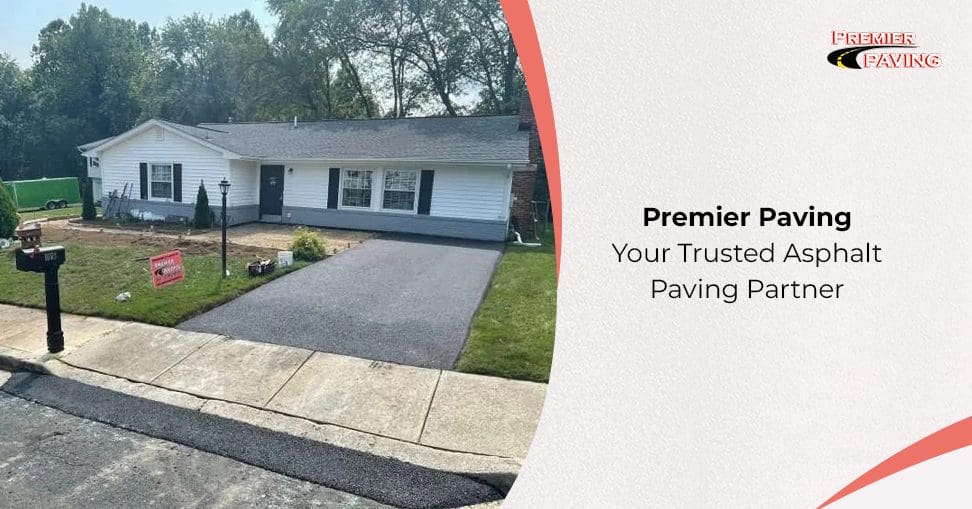
Premier Paving: Your Trusted Paving Partner
Maintaining an asphalt driveway that can withstand the challenges of changing climates requires expertise and professional services. At Premier Paving, we are a trusted asphalt paving company serving Maryland & Delaware, offering expert paving solutions to ensure your driveway remains in top condition year-round.
Our comprehensive services include asphalt installation for residential and commercial properties, asphalt paving, driveway repair, sealcoating, maintenance, and snow removal services. No matter the climate, we tailor our services to meet your needs and aesthetic preferences.
Why Choose Premier Paving?
- Experience: With years of experience in the industry, we possess the knowledge and skills to tackle any paving project, large or small.
- Quality: We use high-quality materials and craftsmanship to ensure your asphalt driveway stands the test of time.
- Customer Satisfaction: Our dedication to customer satisfaction means we’ll go above and beyond to meet your expectations.
- Local Expertise: We understand the unique challenges the local climate poses and will customize our services to address them.
If you are searching for “snow removal services near me,” Premier Paving offers reliable and efficient snow removal to keep your driveway clear and safe throughout the winter months.
With our expertise, your asphalt driveway will endure whatever the weather throws at it, enhancing the beauty and functionality of your home for years to come. Contact us today to keep your driveway in prime condition with the help of our professional asphalt paving company.
Frequently Asked Questions
1. Can heavy snowfall harm my driveway?
Heavy snowfall and ice can be detrimental to your asphalt driveway. The repeated freezing and thawing of snow and ice can lead to cracks and other structural issues. To protect your driveway, use gentle snow removal methods such as snow blowers or plastic shovels, which are less likely to damage the asphalt’s surface. Avoid using harsh de-icing chemicals that can accelerate asphalt deterioration.
2. How often should I seal coat my asphalt driveway?
Sealcoating your asphalt driveway every 2-3 years is ideal for optimal maintenance. Sealcoating protects against UV radiation, moisture, and general wear and tear. It extends the lifespan of your driveway and enhances its appearance, giving it a fresh, black finish.
3. Are drainage systems essential for driveway maintenance?
Proper drainage systems ensure water is effectively diverted from the surface, preventing moisture-related damage. Adequate grading, sloping your driveway away from your home, and installing effective gutter systems are all part of a comprehensive drainage solution that can significantly contribute to the longevity of your driveway.
4. When is the best time to install asphalt paving?
The best time to install asphalt is during warm, dry months, typically late spring to early fall, when temperatures are above 50°F (10°C). This ensures proper compaction and curing. Avoid freezing temperatures and wet conditions, as they can compromise the installation quality. Consult a local paving contractor for the best timing based on your area’s climate.