
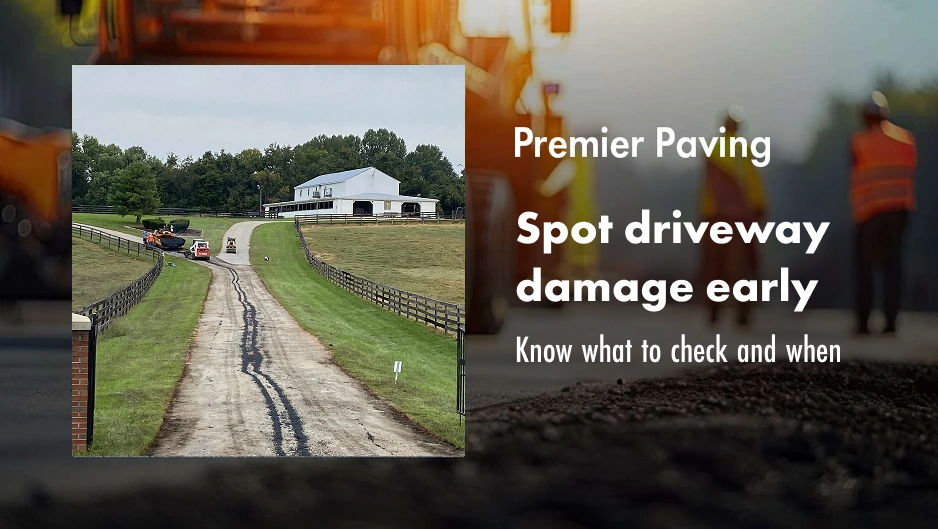
Your driveway is one of the hardest-working surfaces on your property. It supports the weight of vehicles every day while being exposed to rain, snow, UV rays, temperature fluctuations, oil spills, and other environmental stressors. Over time, even a well-constructed driveway can develop signs of deterioration.
A regular driveway inspection helps homeowners identify small issues before they turn into expensive repairs or complete replacement projects. Whether you have an asphalt driveway or a concrete surface, understanding what to look for and when to inspect can extend the life of your investment and maintain your property’s curb appeal.
According to recent home maintenance recommendations, seasonal weather changes, freeze-thaw cycles, water infiltration, and increased vehicle traffic remain some of the leading causes of driveway deterioration in 2026. Early detection and timely maintenance can significantly reduce repair costs and improve pavement longevity.
Why Regular Driveway Inspection Matters
Many homeowners only notice driveway problems when they become obvious. Unfortunately, by that point, the damage may have already spread beneath the surface.
A thorough driveway inspection offers several benefits:
- Prevents minor cracks from becoming major structural issues
- Helps identify drainage problems early
- Extends pavement lifespan
- Improves safety for pedestrians and vehicles
- Protects property value
- Reduces long-term maintenance expenses
Small cracks may seem harmless at first, but water can enter these openings and weaken the base material underneath. During colder seasons, water expands as it freezes, causing cracks to widen and accelerate deterioration.
How Often Should You Inspect Your Driveway?
Experts recommend conducting a driveway inspection at least twice per year.
Spring Inspection
Spring is one of the most important times to assess driveway conditions. Winter weather can leave behind:
- Cracks
- Potholes
- Surface scaling
- Edge deterioration
- Drainage issues
Freeze-thaw cycles are particularly damaging because water expands when frozen and creates pressure within existing cracks.
Fall Inspection
Before winter arrives, inspect your driveway to identify vulnerabilities that could worsen during freezing temperatures.
Look for:
- Open cracks
- Standing water
- Surface wear
- Loose materials
- Drainage concerns
Addressing these issues before winter can prevent more severe damage.
After Severe Weather Events
Heavy rainstorms, flooding, extreme heat, or prolonged snow accumulation can all affect driveway performance. Conduct an additional inspection whenever your area experiences unusual weather conditions.
Tools You’ll Need for a Basic Driveway Inspection
You do not need specialized equipment for a routine inspection. Most homeowners can perform a visual assessment using:
- Flashlight
- Measuring tape
- Camera or smartphone
- Notebook
- Garden hose
- Chalk for marking damaged areas
Photographing damage each year can help track deterioration and determine whether repairs are becoming more urgent.
Signs of Driveway Damage to Watch For
Cracks
Cracks are among the earliest indicators of pavement deterioration.
Common crack types include:
Hairline Cracks
These small cracks often appear due to aging and weather exposure.
Linear Cracks
Long straight cracks typically result from stress, ground movement, or expansion and contraction.
Alligator Cracking
This pattern resembles reptile skin and often indicates structural failure beneath the surface.
When alligator cracking appears, simple crack filling may no longer be sufficient.
Potholes
Potholes form when water infiltrates the pavement and weakens the base layer underneath.
Signs of developing potholes include:
- Soft spots
- Depressions
- Loose aggregate
- Surface collapse
Recent reports continue to highlight water damage and freeze-thaw activity as primary contributors to pothole formation.
Standing Water
Water should never remain on your driveway for more than a few hours after rainfall.
Persistent puddles may indicate:
- Poor grading
- Drainage issues
- Surface settlement
- Sub-base failure
Water infiltration remains one of the most significant threats to both asphalt and concrete surfaces.
Surface Fading
UV exposure gradually breaks down pavement materials.
For an asphalt driveway, fading from deep black to gray often signals oxidation. While cosmetic at first, oxidation eventually contributes to brittleness and cracking.
Edge Deterioration
Driveway edges are often weaker than the center section.
Inspect for:
- Crumbling edges
- Missing material
- Vegetation growth
- Separation from adjacent surfaces
Damaged edges can quickly spread inward if left untreated.
Uneven Areas and Settlement
Driveways should maintain a relatively even surface.
Look for:
- Low spots
- Sinking sections
- Raised areas
- Trip hazards
Settlement usually indicates issues within the supporting base rather than the surface layer itself.
How to Inspect an Asphalt Driveway
An asphalt driveway requires specific attention because asphalt naturally ages due to oxidation and weather exposure.
During your driveway inspection, focus on:
Surface Texture
Healthy asphalt should appear relatively smooth.
Watch for:
- Loose gravel
- Raveling
- Surface roughness
- Aggregate exposure
These signs indicate binder deterioration.
Color Changes
New asphalt is typically dark black.
As oxidation progresses, asphalt becomes:
- Gray
- Dry-looking
- Brittle
This is often a sign that sealcoating may be needed.
Crack Progression
Pay close attention to cracks wider than one-quarter inch.
These openings allow moisture penetration and accelerate structural damage.
How to Inspect Concrete Driveways
Concrete driveways face different challenges than asphalt surfaces.
Look for:
Scaling
Scaling occurs when the top layer begins to flake or peel away.
Causes include:
- Freeze-thaw cycles
- Road salt exposure
- Poor finishing techniques
Spalling
Spalling creates pits or chips on the concrete surface.
This issue often develops when moisture penetrates the concrete and expands during freezing conditions.
Joint Separation
Expansion joints help concrete accommodate movement.
Inspect joints for:
- Widening gaps
- Weed growth
- Material breakdown
Damaged joints can allow water infiltration and accelerate deterioration.
Checking Drainage During a Driveway Inspection
Drainage is one of the most overlooked aspects of pavement maintenance.
To evaluate drainage:
- Wait until after rainfall or use a garden hose.
- Observe water flow patterns.
- Identify pooling areas.
- Check nearby gutters and downspouts.
- Inspect transitions between the driveway and garage.
A properly functioning driveway should direct water away from structures and pavement surfaces.
Poor drainage is often the root cause of many common pavement problems, including cracking, settlement, and pothole formation.
When DIY Repairs Are Appropriate
Some issues can be handled by homeowners.
These include:
- Small surface cracks
- Minor weed removal
- Basic cleaning
- Sealcoating maintenance
- Removing oil stains
Routine cleaning and sealing can improve appearance and provide protection against moisture and UV damage.
When to Call Professional Asphalt Contractors
Certain problems require professional evaluation.
Contact experienced asphalt contractors if you notice:
- Extensive cracking
- Multiple potholes
- Significant settlement
- Drainage failures
- Large surface depressions
- Structural deterioration
Professional contractors can determine whether repairs, resurfacing, or full replacement is the most cost-effective solution.
Benefits of Hiring an Asphalt Paving Company
A qualified asphalt paving company has the expertise and equipment necessary to address underlying pavement issues rather than simply treating visible symptoms.
Professional services may include:
- Core evaluations
- Drainage assessments
- Crack sealing
- Resurfacing
- Full reconstruction
- Preventive maintenance programs
An experienced paving specialist can identify hidden damage that homeowners might overlook during a standard inspection.
Driveway Inspection Tips for Commercial Properties
For business owners, pavement maintenance is even more critical.
A professional commercial paving company can help maintain parking lots, access roads, and commercial driveways that experience heavier traffic volumes.
Commercial property inspections should focus on:
- Traffic wear patterns
- Surface rutting
- Drainage performance
- ADA compliance concerns
- Safety hazards
Regular inspections help businesses reduce liability risks and preserve a professional appearance.
Preventive Maintenance Strategies
The best way to minimize repair costs is through preventive care.
Recommended maintenance practices include:
- Performing a driveway inspection twice annually
- Cleaning debris regularly
- Repairing cracks promptly
- Maintaining proper drainage
- Applying sealcoat when appropriate
- Avoiding excessive vehicle loads
- Addressing oil and chemical spills quickly
Industry experts continue to emphasize that proactive maintenance is far less expensive than major repairs or replacement. Well-maintained driveways can often last decades beyond their expected service life.
Conclusion
A routine driveway inspection is one of the most effective ways to protect your pavement investment. By checking for cracks, potholes, drainage issues, surface wear, and structural problems, homeowners can identify concerns early and take corrective action before repairs become costly.
Whether you own an asphalt driveway at a residential property or manage commercial pavement assets, regular inspections are essential for maintaining safety, appearance, and long-term durability. When significant damage is discovered, partnering with experienced asphalt contractors, a reputable asphalt paving company, or a trusted commercial paving company can ensure the problem is properly addressed and your driveway continues to perform for years to come.
Protect Your Pavement Investment with Premier Paving
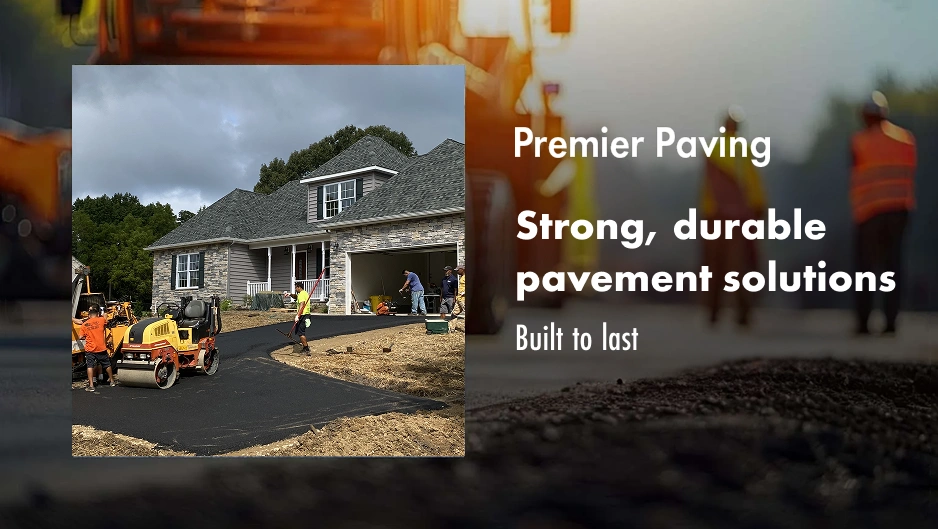
A well-maintained driveway or parking area not only improves curb appeal but also helps prevent costly repairs down the road. At Premier Paving, we combine quality workmanship, premium materials, and years of industry experience to deliver durable paving solutions built to withstand Maryland’s changing weather conditions. Whether you need driveway repairs, resurfacing, sealcoating, or a complete paving installation, our team is committed to getting the job done right the first time. As trusted asphalt contractors, we focus on long-lasting results that enhance both the appearance and functionality of your property.
As a family-owned business, we proudly serve homeowners and businesses with reliable residential and commercial paving services tailored to their needs. From driveways and parking pads to parking lots and pavement repairs, our expertise allows us to deliver solutions that provide lasting value. As an experienced commercial paving company, we understand the importance of durable, safe, and professional-looking pavement for every property.
We proudly serve Annapolis, Severna Park, Pasadena, Arnold, Edgewater, and surrounding areas.
Ready to improve the condition and lifespan of your pavement? Contact us today for a free estimate and let us help you create a smoother, stronger, and longer-lasting surface.
Frequently Asked Questions
1. How often should I inspect my driveway?
Most experts recommend performing a driveway inspection at least twice a year, typically in the spring and fall. Additional inspections are recommended after severe weather events, heavy rainfall, or freezing conditions that may cause pavement damage.
2. What are the first signs of driveway damage?
The earliest signs of driveway damage often include small cracks, fading, standing water, rough surface texture, and minor edge deterioration. Identifying these issues early can help prevent more expensive repairs later.
3. Can small driveway cracks be repaired before they get worse?
Yes. Small cracks should be sealed as soon as they appear to prevent water from penetrating the pavement. Prompt repairs can help extend the life of your driveway and reduce the risk of larger structural problems.
4. What causes potholes to form in a driveway?
Potholes typically develop when water enters cracks in the pavement and weakens the base beneath the surface. Repeated freeze-thaw cycles, poor drainage, and heavy vehicle traffic can accelerate pothole formation.
5. How can I tell if my driveway has drainage problems?
Common signs of drainage issues include standing water, puddles that remain long after rain, erosion near the driveway edges, and areas of settlement or sinking. Poor drainage can significantly shorten pavement lifespan if left unaddressed.
6. When should I call a professional paving contractor?
You should contact a professional if you notice extensive cracking, multiple potholes, widespread surface deterioration, drainage failures, or significant sinking. A professional assessment can determine whether repairs, resurfacing, or replacement is the best solution.