
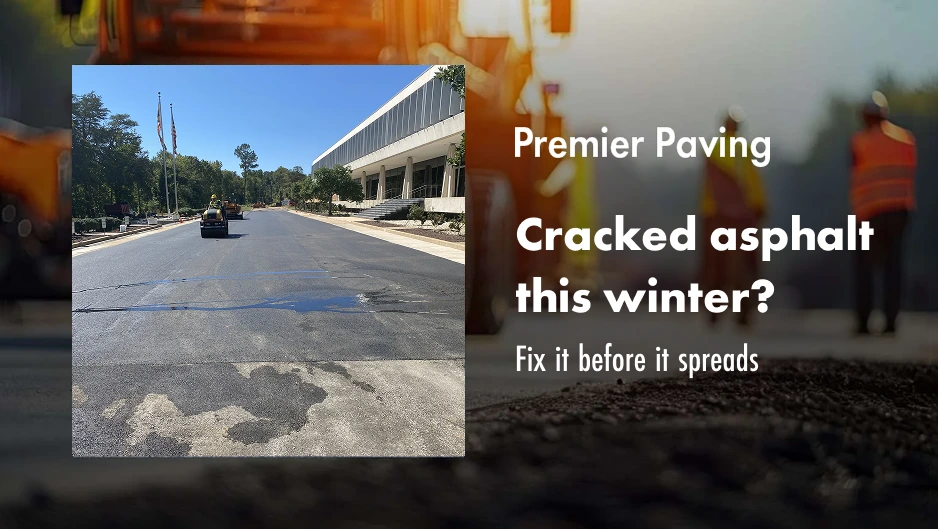
Winter has a way of testing any surface that handles daily wear and tear, especially roads and driveways. Cold air settles in, moisture expands, and small cracks can turn into wide gaps before anyone notices. Property owners often turn to asphalt contractors as the season shifts, because damage does not slow down just because temperatures drop. It helps to understand why surface problems intensify during winter and what practical steps can keep the situation under control. Cracks behave differently once ice and snow are present. The material responds more dramatically to temperature changes. This is why staying alert is essential. The durability of asphalt pavement depends on timely action and clear maintenance planning.
Why Winter Makes Cracks Worse
Cold weather changes how surfaces respond to stress. When water slips into a small opening, it freezes overnight. Ice takes up more space than water. That simple expansion widens existing cracks. Over several cycles, those tiny flaws start to stretch outward. A space that once seemed harmless can turn into a noticeable break.
The life of asphalt pavement often shortens when these seasonal patterns repeat without intervention. Expansion and contraction move through the surface like quiet pressure points. Each cycle pulls at the structure. The surface may still appear solid, yet internal weakness continues to grow. When snow melts during the day and freezes again at night, the cycle repeats. This back-and-forth action has a greater impact in northern regions where winters stretch out for months.
Spotting Damage Early Before It Escalates
An experienced asphalt paving company often begins with visual assessments before suggesting repairs. Winter does not provide ideal working conditions, yet routine inspection still matters. A simple check after snowfall, once the surface clears, can reveal small breaks that might have blended in before.
Look for narrow lines, shallow depressions, or areas where the color appears lighter or more brittle. These early warnings matter because asphalt pavement reacts quickly to cold temperatures. A weak section becomes a channel for water. Once moisture enters, the freezing cycle begins again. Preventing further deterioration starts with spotting problems early. This approach saves property owners from larger repair costs later in the year.
Temporary Fixes That Help During Harsh Weather
Not every repair can wait until spring. In some cases, the damage becomes too risky or inconvenient to ignore. That is when residential asphalt paving contractors step in with temporary solutions. Cold patch materials provide immediate relief for hazards. These mixtures settle into cracks and holes, providing a safer surface during winter.
Although these fixes do not replace full restoration, they serve an important role. They create a barrier that slows down water penetration. Asphalt pavement benefits from any layer that interrupts the flow of moisture into open spaces. Property owners often rely on these temporary measures until temperatures rise enough for more permanent work. The goal is stability. Even a modest barrier can buy valuable time.
Understanding How Moisture Affects Winter Damage
Moisture is the silent force behind winter deterioration. When water seeps into asphalt pavement, freezing becomes the main culprit in accelerated damage. Melting snow during the day creates puddles that wander toward cracks. By nightfall, those same puddles freeze again. This expansion pushes upward and outward, loosening the surrounding material.
Even areas with light snowfall experience the same pattern. Rainfall followed by sudden drops in temperature triggers the same result. Once the surface weakens, new cracks form more easily. These patterns repeat throughout the season. Professional inspections help determine whether the damage is surface-level or structural. Understanding moisture behavior helps property owners stay ahead of future problems.
Long-Term Repairs That Strengthen the Surface
Permanent solutions usually take place when temperatures rise. Warmer weather allows materials to bond correctly. Crews may use hot mix applications to seal cracks, restore edges, or resurface entire sections. These treatments extend the life of asphalt pavement and improve its appearance.
The right repair choice depends on the depth of the damage. Minor cracks might only need sealing. Larger openings might require removing and replacing affected sections. A thorough approach reduces the chance of those same cracks returning next winter. Property managers appreciate methods that provide long-lasting strength. The surface needs to be consistent to withstand seasonal changes over many years.
Preventive Measures That Reduce Winter Damage
Preventive care remains the best defense. Proper drainage prevents melting snow from pooling in sensitive areas. Regular cleaning removes debris that traps moisture. Sealcoating protects the top layer from direct weather exposure. Each of these steps shields the surface from winter stress.
Asphalt pavement responds well to steady, year-round maintenance. When protective layers stay intact, cracks form less frequently. Even older surfaces benefit from basic care routines. A clean, sealed driveway or parking area handles cold weather much more effectively. These small habits add up over time and create long-term durability.
When Replacement Becomes the Better Option
There are moments when patching or sealing no longer offers reliable results. If multiple sections show deep cracks or surface warping, replacement becomes a practical choice. New installations remove underlying issues entirely. The fresh layer provides a stable foundation for years to come.
Replacement may sound intimidating, yet it delivers predictable performance once complete. Asphalt pavement settles evenly when installed correctly. The surface handles temperature shifts with fewer stress points. In regions with harsh winters, a new installation often prevents repeated repair cycles.
How Winter Traffic Influences Surface Wear
Cold weather is not the only factor affecting cracks. Vehicles play a significant role. Tires create pressure on weakened areas, especially when temperatures stay below freezing. Heavy trucks make cracks spread faster. Even residential traffic can worsen existing damage without anyone realizing it.
The weight of vehicles interacts with asphalt pavement in subtle ways. When the surface is already brittle from cold exposure, pressure points form quickly. These points expand into larger structural weaknesses. Reducing traffic on damaged sections can slow deterioration. Simple adjustments make a noticeable difference.
Setting Up a Winter Maintenance Plan
Clear planning offers peace of mind. A winter maintenance plan includes scheduling inspections, arranging emergency repair contacts, and preparing temporary materials. It also outlines how snow removal should take place. Sharp tools or aggressive scraping can harm the surface. Safe techniques matter.
A reliable plan keeps asphalt pavement in better shape through the toughest months. Property managers often design these schedules before winter begins. Early preparation reduces sudden repair needs. This proactive approach prevents small issues from turning into expensive projects.
The Value of Professional Guidance During Winter
Industry professionals provide insight that general observation cannot match. They understand how winter patterns affect different surfaces. They also know which treatments hold up well in cold conditions. Working with specialists helps property owners make informed decisions about timing, materials, and long-term stability.
When experts evaluate asphalt pavement, they consider both visible and hidden concerns. Their assessments shape repair plans that match seasonal limitations. With proper guidance, property owners gain a clear path through winter challenges.
Final Thoughts
Winter presents unique challenges for any paved surface. Cracks expand, moisture freezes, and traffic pressure adds strain. Yet timely action can keep problems manageable. From early detection to temporary repairs and long-term strategies, there are reliable ways to protect asphalt pavement during cold months. Investing in professional insight and consistent care helps maintain strength throughout the season and beyond.
Transform Your Asphalt with Premier Paving’s Expert Services

If you’re searching for “asphalt paving near me”, look no further than Premier Paving. Our team offers expert asphalt paving services to ensure your driveways, parking lots, and other asphalt surfaces are durable and smooth. As an established asphalt paving company, we specialize in residential and commercial projects, providing solutions that stand the test of time.
We proudly serve Annapolis, Severna Park, Pasadena, Arnold, Edgewater, and the surrounding areas. With years of experience, we deliver high-quality paving that enhances curb appeal and ensures safety. Whether it’s a new installation or repairs to an existing surface, we handle it all.
Contact us today for a free estimate and let us help you with all your asphalt paving needs!
Frequently Asked Questions
1. What is the best time of year for asphalt paving?
Asphalt paving is best done during warmer months, typically spring through fall. The material needs the right temperature to cure properly. Cold weather can delay the curing process, which is why many property owners prefer scheduling their paving projects during these months. If you’re looking for an asphalt paving company, they can advise on the optimal timing based on your location and the weather.
2. How long does asphalt pavement last?
With proper maintenance, asphalt pavement can last anywhere from 15 to 30 years. Factors such as climate, traffic load, and maintenance practices impact its longevity. Regular upkeep, such as sealing and repairing cracks, can help extend its lifespan. Choosing a reputable contractor ensures that you get long-lasting results and expert guidance to preserve the surface for years to come.
3. Can I install asphalt pavement myself?
While it may seem like a DIY project, installing asphalt pavement requires special equipment and expertise. Without the right tools, you risk uneven surfaces, poor drainage, and faster wear. For the best results, it’s advised to hire an experienced asphalt paving company that can ensure a quality installation.
4. How much does asphalt paving cost?
The cost of asphalt paving varies depending on the size of the project, the quality of materials, and your location. On average, residential asphalt paving costs between $3 $5 per square foot. For a more accurate estimate, contact an asphalt paving company to schedule a consultation and receive a detailed quote tailored to your specific needs.
5. How do I maintain my asphalt pavement?
Regular maintenance is key to extending the life of your asphalt pavement. Sealcoating every 2-3 years, filling cracks, and addressing drainage issues are all important steps. If you’re searching for “asphalt paving near me,” the professionals can also offer maintenance plans to keep your pavement in top condition year-round.