
Learn how to protect your asphalt driveway before winter with cleaning, crack repair, and sealcoating tips. Request a free estimate in Maryland.
Protect Your Asphalt Driveway Before Winter in Maryland
Winter is hard on asphalt. When temperatures drop, water works its way into small cracks and pores, freezes, and expands. That pressure widens cracks and can turn a minor flaw into a real repair by spring.
You cannot stop Maryland winters, but you can control how much damage they do. A little preparation in the fall protects the surface you already paid for.
A durable paved surface starts below the visible asphalt. Winter prep works the same way, most of the protection comes from keeping water out before it has a chance to freeze underneath.
Why Winter Prep Matters for Asphalt
Freeze and thaw cycles are the main reason driveways fail over the winter. Water enters the surface, freezes overnight, and pushes the asphalt apart. When it thaws, it seeps a little deeper, and the cycle repeats through every cold snap.
Small problems in November tend to be larger problems in March. Handling them early usually costs less than the repair you would face after the surface opens up.
Preparing your asphalt driveway helps you:
- Keep water out of cracks before it can freeze
- Reduce the chance of new potholes by spring
- Protect the base under the asphalt, not just the surface
- Spread maintenance out instead of facing one large repair
1. Inspect and Clean the Surface First
Everything else starts here. Walk the full driveway and look closely at the surface before the first hard freeze. You are looking for cracks, crumbling edges, low spots, and areas where water tends to sit.
Then clear the surface completely. Leaves, dirt, and organic debris trap moisture against the asphalt and can stain it. A leaf blower or stiff broom handles most of it, and stubborn spots can be rinsed clean and allowed to dry fully.
What to look for on your driveway and what to do:
- Hairline cracks, wider cracks, and soft or sunken areas
- Crumbling edges that need support
- Spots where water ponds instead of draining
- Remove leaves, dirt, and debris so nothing traps moisture
2. Fill Cracks Before They Freeze
Cracks are the entry point for almost every winter problem. Once snowmelt gets in and freezes, it pries the asphalt apart from the inside. Sealing cracks in the fall closes that door before the cold arrives.
Small, non-structural cracks can be filled with a quality rubberized asphalt crack filler.
Wider cracks, alligator cracking, or areas that flex under weight point to a deeper issue that a filler will not solve, and those are worth a professional look.
How to approach an asphalt driveway crack repair:
- Fill small and medium cracks with a rubberized asphalt filler
- Do not rely on consumer filler for wide, connected, or working cracks
- Ask about professional sealcoating and crack repair for anything beyond hairline cracks
- Handle repairs before sealcoating, not after
3. Sealcoat While the Weather Still Allows It
Sealcoating is a preventive surface treatment. It adds a protective layer that slows oxidation, limits how quickly water reaches the surface, and helps the driveway shed winter precipitation. It does not repair cracks, level settled pavement, or fix drainage, so repairs come first.
Sealcoat needs warm, dry conditions to cure.
Industry guidance is that both the air and the pavement should stay at a minimum of about 50 degrees Fahrenheit for roughly 48 hours after application, with no freezing overnight. If nighttime lows drop into the 30s, the coating may never cure properly and can peel.
Keep in mind before you seal your driveway:
- Apply only when temperatures stay above roughly 50 degrees, day and night, for about 48 hours
- Do not sealcoat over wet pavement or with rain in the forecast
- Allow the surface to cure, commonly around 24 to 48 hours, before driving on it
- Fix cracks and potholes first, since sealcoat is protection, not repair
4. Plan for Snow and Ice the Right Way
How you clear and treat the driveway matters as much as the surface itself. The goal is traction and safety without grinding down the asphalt or overloading it with harsh chemicals.
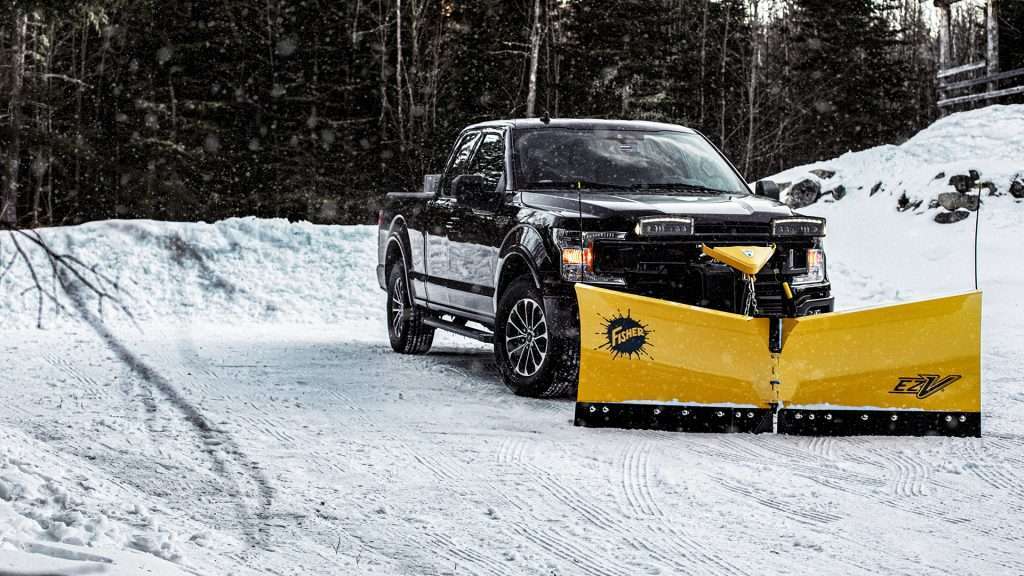
Clear snow promptly so it does not melt, refreeze, and sit on the surface. When you shovel or plow, avoid sharp metal edges dragging directly across cold asphalt, which can gouge and scrape it.
Rock salt (sodium chloride) is cheap and effective to about 15 degrees, but heavy use accelerates freeze-thaw wear and can harm nearby plants and pets.
Magnesium chloride and calcium chloride work at lower temperatures and are gentler on asphalt, though they cost more. Sand adds traction without chemical wear, but does not melt ice.
Smart winter clearing habits:
- Clear snow soon after it falls so it does not refreeze on the surface
- Use a plastic-edged or rubber-edged shovel to avoid gouging the asphalt
- Use deicer sparingly, and consider magnesium chloride or sand as gentler options
- Keep low spots and drainage paths clear so meltwater flows away
5. Watch Drainage and Track Changes Through Winter
Standing water is a warning sign. Puddles point to low spots or drainage problems, and those are exactly the places where freeze-thaw damage and new potholes tend to appear. Keeping water moving away from the surface does more for durability than almost anything else.
Through the season, keep an eye on the driveway.
Note new cracks, soft areas, or minor heaving as they show up. Those details help you decide what maintenance to schedule once the weather warms.
What to monitor on your driveway:
- Areas where water ponds instead of draining
- New or widening cracks after cold snaps
- Soft spots, raveling, or edges breaking down
- Any changes worth reviewing with a pavement maintenance plan in spring
Winter Mistakes That Damage Asphalt
A few common habits do more harm than good. Avoiding them protects the driveway as much as any single repair.
H3: Try to avoid:
- Sealcoating too late in the year, when it cannot cure
- Treating sealcoat as a fix for structural cracks or potholes
- Over-salting, which speeds up freeze-thaw wear
- Dragging a metal shovel or plow blade across cold, cracked asphalt
- Ignoring puddles and letting water sit in low spots
Quick Winter Asphalt Driveway Checklist
A short list to run through before the first hard freeze:
- Walk and inspect the driveway for cracks and low spots
- Clear all leaves, dirt, and debris
- Fill small cracks, and flag larger ones for a professional
- Sealcoat only if temperatures still allow proper curing
- Stock a gentler deicer and a non-metal shovel
- Confirm water drains away from the surface and structures
Protecting an Asphalt Driveway in Maryland?
Premier Paving is a family-owned asphalt company serving Maryland property owners, with more than 30 years of combined experience across residential and commercial paving.
Whether your driveway needs a fall inspection, crack repair, or a maintenance plan for next season, the approach is the same: evaluate the whole surface, then recommend the appropriate level of work rather than a one-size-fits-all fix.
That includes:
- Residential asphalt paving and driveway repair
- Sealcoating and crack repair
- Crack filling and pothole repair
- Driveway grading and drainage preparation
Want your driveway ready before the cold sets in? Request a free estimate and walk your property with a family-owned asphalt company that does the job right the first time.
Frequently Asked Questions About Protecting Your Asphalt Driveway Before Winter
Why is sealing your blacktop driveway pointless?
It is not pointless when done right, but it is pointless when done wrong. Sealcoat is a preventive top layer, not a repair. Sealing over cracks, potholes, or a failing base hides problems instead of fixing them, and sealing in cold weather leaves a coating that peels within weeks. Sealcoating helps most on a sound surface, applied in the right conditions, as part of regular maintenance.
What is the best time of year to seal your asphalt driveway?
In Maryland, late spring through early fall is usually the reliable window. Sealcoat needs warm, dry weather to cure, which generally means daytime and nighttime temperatures staying above about 50 degrees for roughly 48 hours after application. Schedules and material availability vary year to year, so timing is confirmed based on the forecast.
How cold is too cold for asphalt?
For sealcoating, below roughly 50 degrees is too cold, since the coating will not bond or cure properly and can peel. New asphalt installation is also seasonal and depends on pavement and air temperature. As a general rule, once nighttime lows fall consistently below 50 degrees, conditions are wrong for sealing.
What will ruin an asphalt driveway?
The usual culprits are water and neglect. Unsealed cracks let water reach the base, freeze-thaw cycles widen the damage, and standing water from poor drainage weakens the surface. Heavy salt use accelerates wear, and sharp metal shovels or plow blades can gouge cold asphalt. Most of this is preventable with early crack repair, good drainage, and careful winter clearing.
How long should you stay off an asphalt driveway after sealing?
Guidance commonly runs about 24 to 48 hours before driving or parking on a freshly sealed driveway, depending on temperature and humidity. Cooler or more humid conditions extend the wait. When in doubt, give it more time so the coating cures fully before it takes traffic.