
Winter storms have become more intense in recent years, and property owners often scramble to protect their homes when heavy snow piles up.
A reliable snow removal company becomes essential as weather patterns shift and roofs face more pressure than ever. The choice between clearing snow by hand or using professional methods often raises questions about safety, cost, and long-term structural health.
The debate frequently circles what works best for different buildings. Some solutions look simple on the surface, yet each option carries its own risks. Understanding the distinction helps homeowners and commercial property managers make informed decisions.
Understanding Modern Snow Challenges
The first thing to acknowledge is how winter weather has changed. Colder regions are seeing heavier storms that drop larger volumes of snow. Communities that once dealt with lighter winters are now facing sudden freeze events. These conditions make snow removal crucial for the safety of roofs and structures. Many buildings were not designed for this level of weight, and property owners must adapt to the new normal.
Research by structural engineers shows that wet snow places far more stress on roof framing than dry flurries do. This shift explains why traditional roof-clearing methods are being reconsidered. The goal is no longer just removing snow quickly. The top priority is protecting the structure’s lifespan.
What Is Roof Shoveling
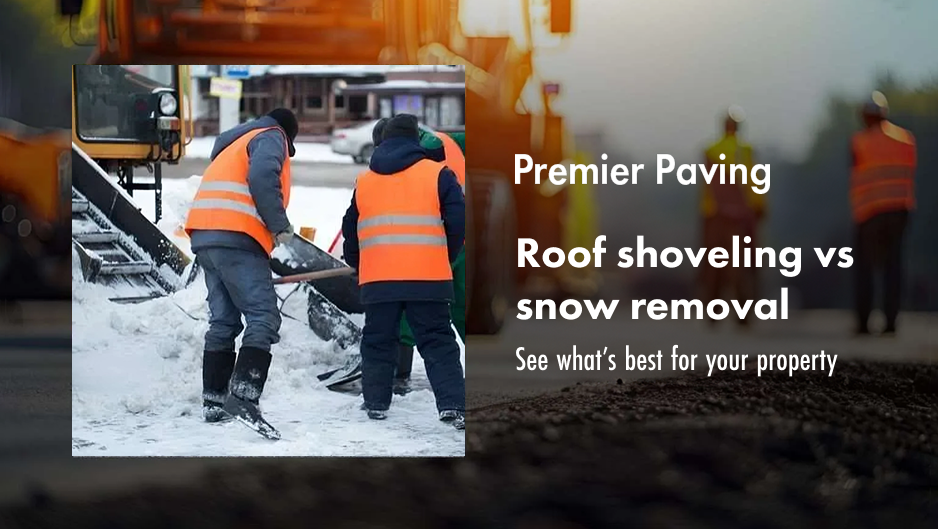
Roof shoveling is the most familiar method. It involves manually removing snow from the surface with handheld tools such as shovels or roof rakes. This technique has been around for decades. It is often chosen by homeowners who want a budget-friendly option. Roof shoveling seems simple, but the work demands physical strength and a lot of time.
How Roof Shoveling Works
Workers climb onto the roof or stand on ladders while clearing the surface by hand. The downside is the high chance of scraping the roof material. Shovels can easily damage shingles or tiles. The moment the protective coating is scratched, the risk of leaks increases. Winter freezes worsen these weak spots, turning a small scrape into a serious leak by spring.
Key Benefits of Roof Shoveling
Roof shoveling has upsides when done correctly.
- It offers immediate results for small areas.
- The method can be affordable for homeowners who only need small sections cleared.
- It works well for lighter snowfall or regions with minimal accumulation.
Major Risks of Roof Shoveling
Manual snow clearing comes with its share of problems. Falls are common because ice can build up underneath the snow. Hand tools also create more pressure on the roofing surface. Inexperienced workers may remove too much at once, which leads to structural imbalance. These hazards have prompted many property owners to seek safer alternatives.
Understanding Full Service Snow Removal
Professional clearing is often described as a more efficient approach. This method uses specialized equipment and trained technicians who understand how to reduce risk. Modern industry tools include lightweight machines and controlled heating systems. These advancements make snow removal smoother and safer for large roofs and commercial properties.
Today, many companies use smart sensors to detect snow weight. These systems help determine when clearing should begin. Timely action is one of the biggest advantages of professional service. Acting too late puts unnecessary strain on buildings that may already be dealing with hidden weaknesses.
How Professional Snow Clearing Works
Instead of hand tools, professionals use roof-safe blowers, soft-bristle rotating brushes, and low-heat steam units. These tools lift snow without scraping the roof surface. The process is steady and controlled. Teams also work from safer positions, using anchored equipment that reduces fall risk.
Many companies now offer remote monitoring packages. Sensors notify them when snow reaches a preset depth, and crews are dispatched automatically. Property owners no longer guess when action is needed. This reduces roof emergencies during storms.
Advantages of Professional Snow Removal
Professional clearing brings multiple advantages.
- The method protects roofing materials more effectively.
- Work is faster because machines handle most of the weight.
- Crews follow safety guidelines that reduce the chance of accidents.
- Property owners gain peace of mind during long winters.
Professional teams also understand load distribution. Removing snow unevenly can cause sudden weight shifts. Their experience prevents these common mistakes.
Potential Limitations of Professional Service
Professional work comes with a higher cost. This keeps some homeowners from considering it. Scheduling is another challenge during peak storm periods. However, many companies now offer seasonal plans to guarantee availability. These changes reflect how the industry has evolved in response to high demand.
How Roof Type Influences the Right Choice
The type of roof plays a major role when choosing the best method. Homes with low-slope roofs often hold more snow because it does not slide off easily. Commercial buildings with flat roofs face even more stress. These structures benefit from regular snow removal, as heavy accumulations can form dense layers that strain beams.
Steep roofs shed snow more naturally, but they also come with risks. Workers may find it harder to maintain balance, and falling snow can create hazards around the property. Understanding your roof’s design helps determine the safest approach.
Flat Roofs
Flat roofs require the most attention. Water pooling becomes a problem when snow melts unevenly. If the surface cannot drain properly, the roof membrane deteriorates. Professional clearing usually works best because the weight is spread across the entire structure. Manual shoveling often leads to unintentional punctures or tears.
Asphalt Shingle Roofs
These roofs are common in residential neighborhoods. Shingles can break or crack when struck by a shovel. Professional tools offer a gentler method. Homeowners who still choose manual clearing must do so with extreme care. Even a single damaged shingle can cause long-term problems.
Metal Roofs
Metal surfaces allow snow to slide off more easily. Shoveling can be dangerous because the surface can become slippery. Controlled snow removal using safe machinery offers better results. The low friction of metal makes sudden slides more likely, which means technicians must plan their movements carefully.
Safety Considerations Every Property Owner Should Know
Safety remains the biggest concern for both methods. Falling from a roof is one of the most common winter injuries. Manual clearing increases this risk because workers spend more time on the surface. Using professional services reduces the need to climb repeatedly.
Electrical hazards also come into play. Roof edges often have wires running nearby. Snow can hide these cables and pose a shock risk. Modern clearing systems reduce contact with hidden obstacles. Professionals use insulated tools and follow strict winter protocols.
Another concern is structural pressure. Leaving snow in place for too long can cause it to sag. Timely snow removal stops this from becoming a crisis. Property owners often underestimate how quickly snow can accumulate when temperatures fluctuate.
Environmental and Property Impact
Some clearing methods can harm the environment. Salts and chemicals used around sidewalks can leach into the soil, damaging landscaping. This is why many property owners request eco-friendly approaches. Professional teams now use green alternatives that protect plants and shrubs.
Manual shoveling rarely uses chemicals. However, it does loosen granules from roofing materials. Over time, this reduces the roof’s ability to handle heat and cold. Professional techniques protect roof coatings more effectively. They apply consistent pressure and prevent unnecessary wear.
Winter storms are predicted to bring more moisture. Heavy wet snow intensifies the strain on structures. This makes timely action even more important. Every property should have a clear plan in place before winter arrives.
Cost Comparison Between Methods
Budget is often a deciding factor. Roof shoveling usually costs less because it relies on labor rather than machines. Homeowners with smaller properties may find this manageable. The downside is the potential for future repairs. Damaged shingles or torn membranes often lead to high repair bills.
Professional snow removal costs more upfront, yet it prevents long-term issues. Seasonal contracts have become popular. They allow property owners to lock in a price and guarantee service. This approach helps commercial buildings avoid costly emergencies.
Maintenance should also be considered. Shoveling often requires multiple visits during heavy storms. Professional crews work more efficiently, which reduces total labor hours. Property managers with large buildings usually choose professional services for this reason.
Making the Right Choice for Your Property
Every property has unique needs. The best solution depends on roof design, local weather patterns, and long-term maintenance goals. Manual shoveling works for light snow and smaller homes. Professional clearing makes more sense for large buildings or areas with frequent storms. The primary concern is protecting the structure from long-term damage.
A proactive approach always wins. Property owners should plan early, assess roof strength, and schedule winter maintenance in advance. Having a strategy prevents last-minute chaos during major storms.
Professional snow removal also offers better protection during unpredictable weather. With modern tools and trained crews, it reduces risk and maintains the roof’s integrity. For many buildings, the extra investment pays off through fewer repairs and improved safety.
Premier Paving’s All-Season Snow Protection and Property Care Solution
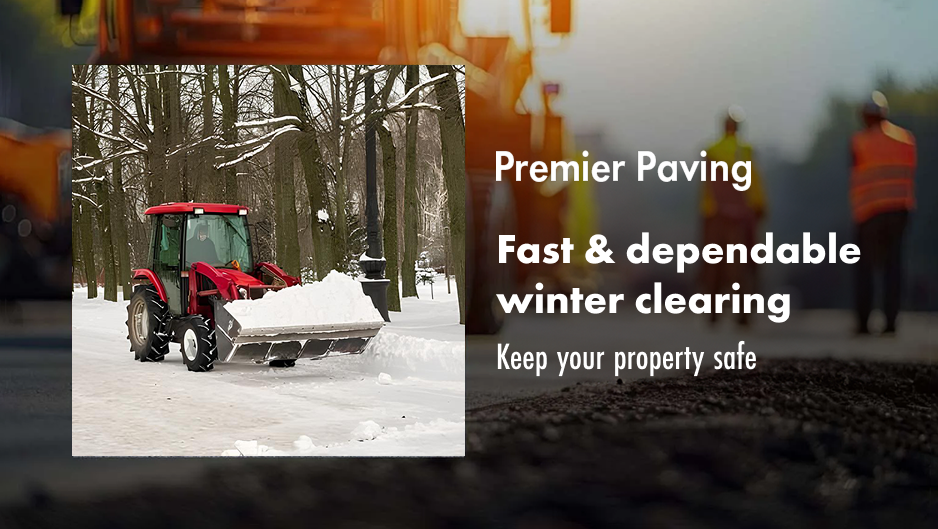
Looking for “snow removal services near me”? Premier Paving has you covered with reliable and fast snow-clearing solutions for homes and businesses alike. Our team handles snowplowing, roof clearing, de-icing, and walkway shoveling with modern equipment and careful attention to safety and property protection.
If you live in Annapolis, Severna Park, Pasadena, Arnold, Edgewater, and surrounding areas, Premier Paving delivers prompt service so you don’t get stuck waiting when snow hits hard.
Don’t let winter slow you down. Contact us today to schedule your service and keep your property safe and accessible all season long.
Frequently Asked Questions
1. What is the difference between roof shoveling and snow removal?
Roof shoveling is the manual removal of snow with tools such as rakes or shovels. Snow removal uses professional equipment such as roof-safe blowers, soft-bristle machines, and controlled-steam systems. The main difference is that snow removal is safer for the roof and reduces the risk of structural damage during heavy winters.
2. How do I know when I should call a snow removal company?
Property owners usually contact a snow removal company when snow buildup reaches a depth that could strain the roof. Wet or heavy accumulation indicates that professional attention is needed. Many experts recommend clearing it before the weight becomes a hazard, especially in regions with frequent storms.
3. Can roof shoveling damage shingles or roofing materials?
Yes. Manual tools can scrape or lift roofing materials if not used carefully. Damage often occurs when too much pressure is applied. This is why many homeowners choose professional snow removal instead, since modern tools are engineered to protect the roof surface.
4. Is professional snow clearing safer than DIY roof work?
Most property owners find that hiring a snow removal company is safer than climbing onto the roof themselves. Professionals use anchored systems, insulated tools, and safety procedures that reduce risks such as slips, falls, and hidden ice patches.
5. How much snow is too much for a residential roof to handle?
Structural guidelines vary by region, but heavy, wet snow is usually the biggest concern. Many areas in the United States experience storms where accumulation happens fast. When this occurs, timely snow removal helps prevent sagging, leaks, and long-term roof stress.